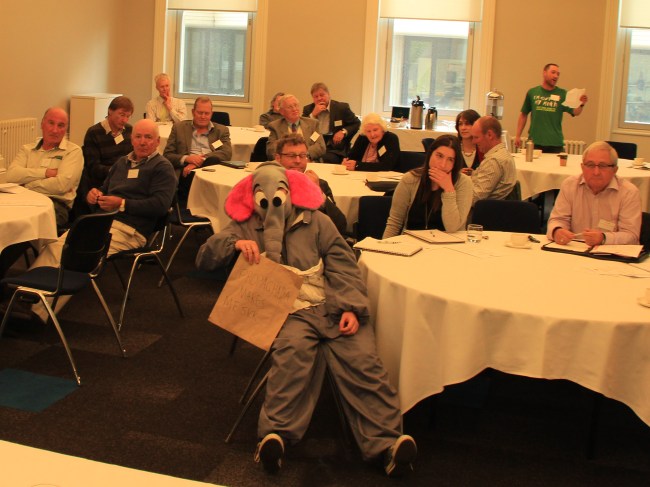
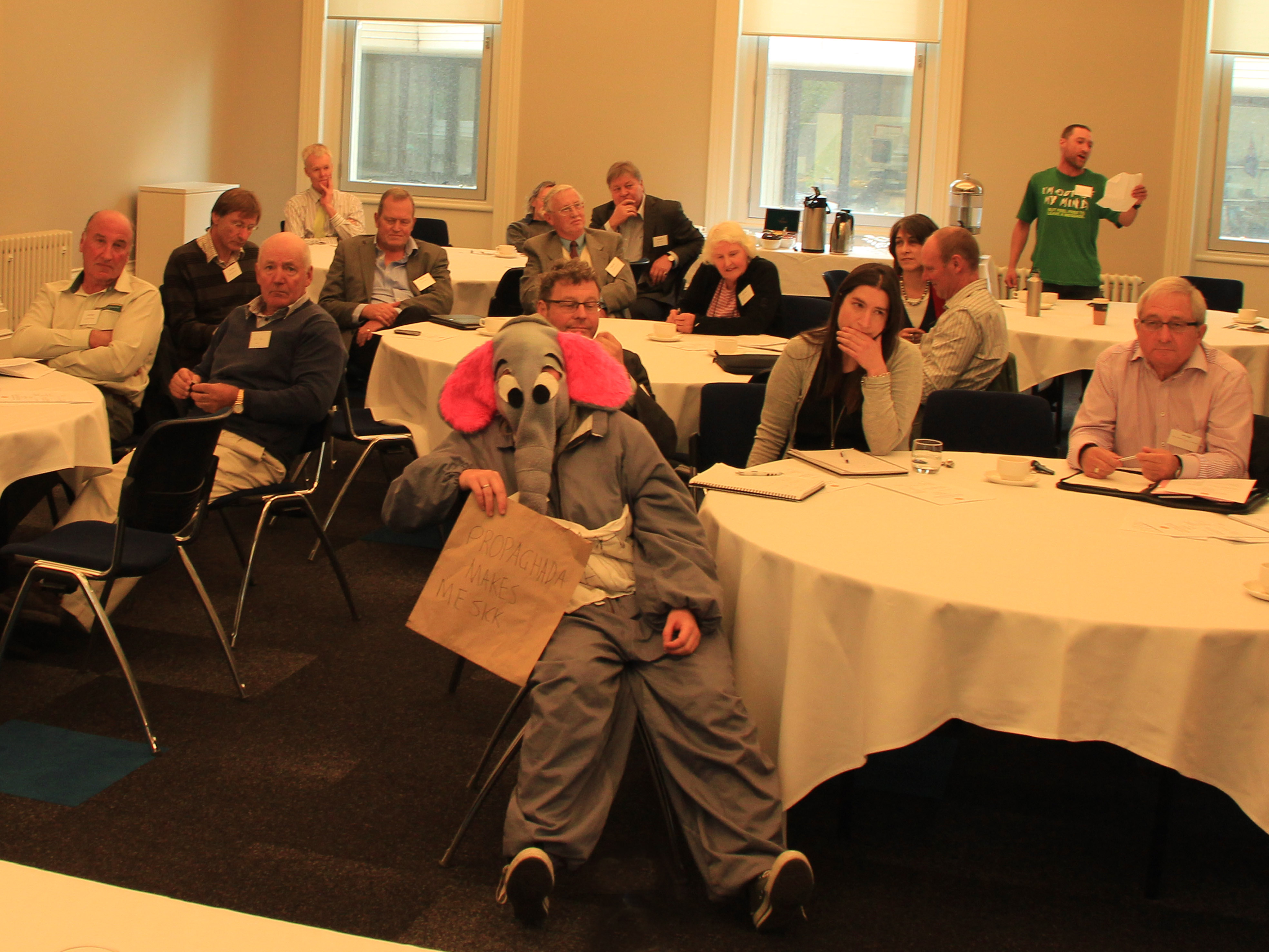
Untabled facts tell a different story, of danger and disaster
Shell’s exploration manager Roland Spuij was “simply trying to lay the facts on the table” before protesters closed down their community engagement workshop in Dunedin on 8 April. By then the presentation was almost finished – so what facts did Shell lay on the table?
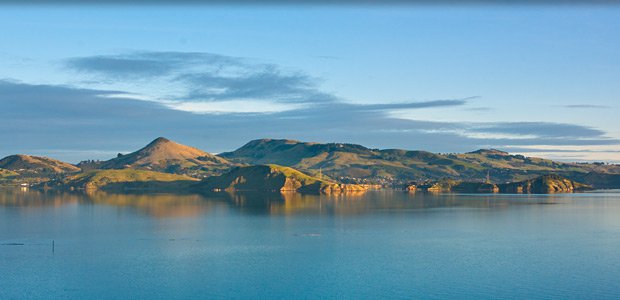
The decision to drill down to 4km in 1.5km deep water in the Great South Basin (GSB), about 150km off Dunedin, will be made later this year. Seismic surveys suggest a 70% chance of finding nothing, a 30% chance of gas and a 1% chance of oil.
It’s gas they’re after, said Shell, not oil.
How credible is this claim? The technology to liquefy gas at sea is still unproven. Our back yard would be Shell’s testing ground for their not yet built FLNG (floating liquefied natural gas vessel); four soccer fields long, six times heavier than the biggest aircraft carrier, and holding 174 olympic swimming pools worth of liquefied gas chilled to -162 degrees C. A gas find would have to be massive to be economically viable.
Are Shell playing down their expectation of oil to allay fears of the oil-on-beaches image, so real since Rena?
That’s not to say a gas blowout wouldn’t be destructive. Gas could boil to the surface and kill rafting birds such as albatrosses – in Shell’s words, a “moderate” impact.
Such accidents happen even where help is at hand, let alone in a region as remote as the GSB. In the North Sea, a leak at the Elgin platform spewed 200,000 cubic meters of gas per day. It cost $3 billion and took six months to drill relief wells to stop the leak.
But Shell assured the meeting that they “will design the well to the highest industry safety standards”.
How high are these safety standards? They emphasised their injury record in a graph whose unexplained y-axis, ranging from zero to five, hinted at low numbers but turned out to be “number of injuries per million working hours”. To give some meaning to this scale the UK, whose injury record is four times better than ours, had about 130 major or fatal injuries per 100,000 workers last year.
Until 2011 there was only one inspector to oversee our entire oil and gas industry. Now there are three; still poor compared to other countries.
What of Shell’s environmental safety standards?
“Environmental concerns are very close to our heart” Shell repeated (no less than five times) while showing photographs of whale, albatross and shearwater, and the entrance to a local marae.
However, Shell’s ESHIA (Environmental, Social and Health Impact Assessment) had not been completed, so there was little of substance to present. NIWA’s Tangaroa had just returned from another seabed survey, and although the data hadn’t yet been analysed, it did not stop Shell’s environmental officer from pre-empting the findings; “As you can see, not much there”, he repeated as Tangaroa’s cameras cruised the seabed. A diagram showing marine migration routes passing either side of the proposed drill site backed up the story of an empty ocean. – “No fishing, no tourism, no infrastructure.”
But details of migration, breeding and feeding patterns are virtually unknown for most of our southern ocean creatures. We know little about what our Tairoa Head albatrosses get up to when away from home. We do know that the southern ocean is home to the greatest number and variety of albatrosses and other seabirds in the world.
Close to the heart, or close to the chest? What other facts did Shell leave off the table?
Oil and gas spills happen all the time. The 2010 Horizon disaster in the Gulf of Mexico is only extraordinary in terms of scale. Between 2001 and 2010 in the Gulf alone, there were 855 fires or explosions, 1,349 injuries and 69 deaths.
The Montara blowout of 2009 off the coast of Perth, at a depth of 80 meters, took two and a half months to plug and destroyed around 64,000 hectares of coral reefs off Timor. This equates to one Rena disaster every day for 74 days.
Back to Shell. Let’s lay some more facts on the table.
Twenty million people have been displaced following 60 years of environmental damage by Shell’s drilling in the Niger Delta. Following the hanging of nine Nigerian peaceful protestors Shell were sued in 2009 for human rights abuses including summary execution, crimes against humanity, torture, inhumane treatment, arbitrary arrest, wrongful death, and assault and battery.
In February this year Shell pulled out of the Arctic after a drillship grounding, engine failures, a fire on one of its rigs and other technical difficulties.
Shell have been censured 25 times in the past six years for breaking safety rules, but have a history of under-reporting such incidents, let alone laying them on the table in community engagement workshops.
But actually, I agree with Shell; why bother to mention such things?
Companies like Shell already have enough proven oil, gas and coal reserves on their books to raise the atmospheric temperature to five times beyond the so-called “safe” two degree limit. Once burned, it’s goodbye future for our grandchildren.
Oil spills, dubious safety records, crimes against humanity, pale in comparison to the future impacts of Climate Change, the elephant in the room, so studiously omitted from the table at Shell’s community engagement workshop.
By Rosemary Penwarden
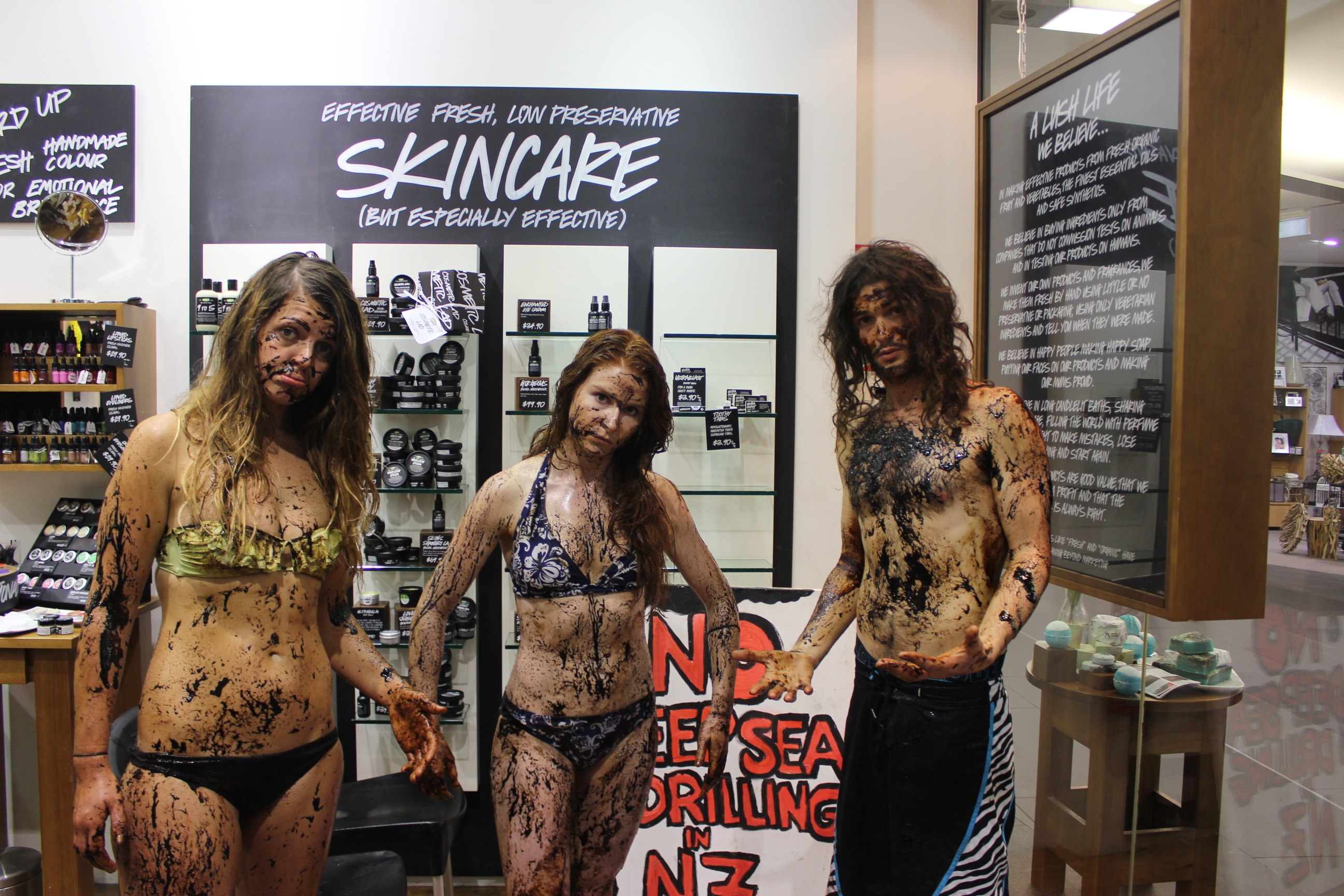

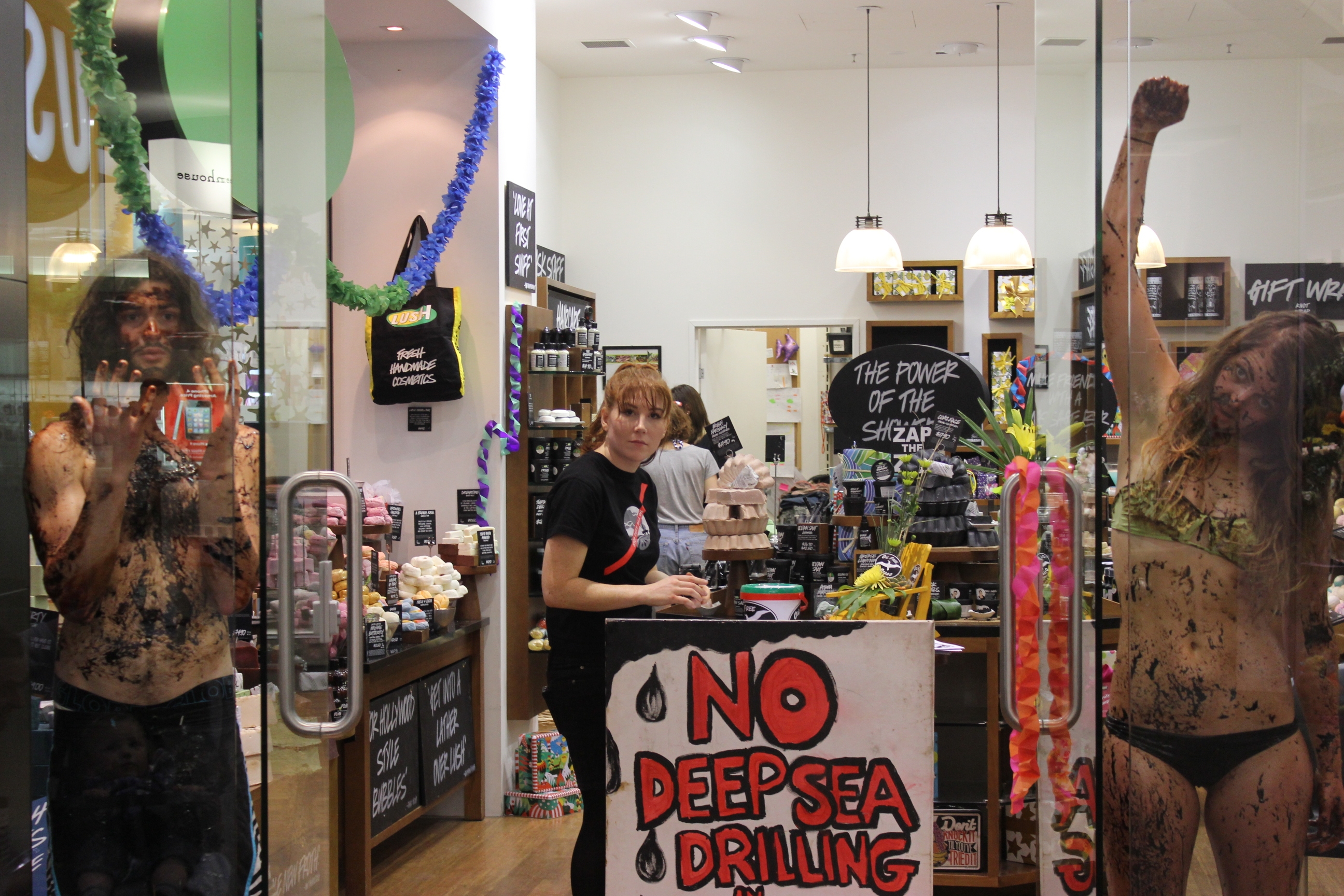

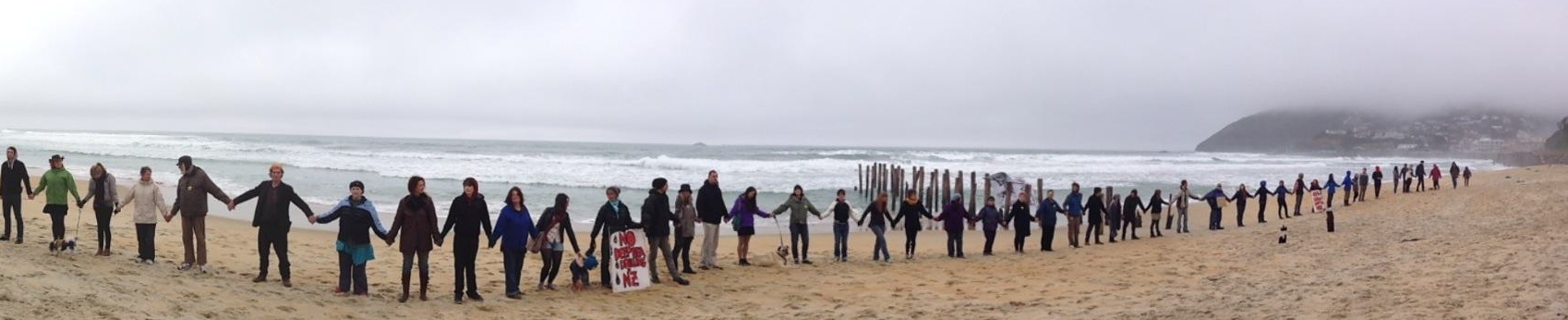

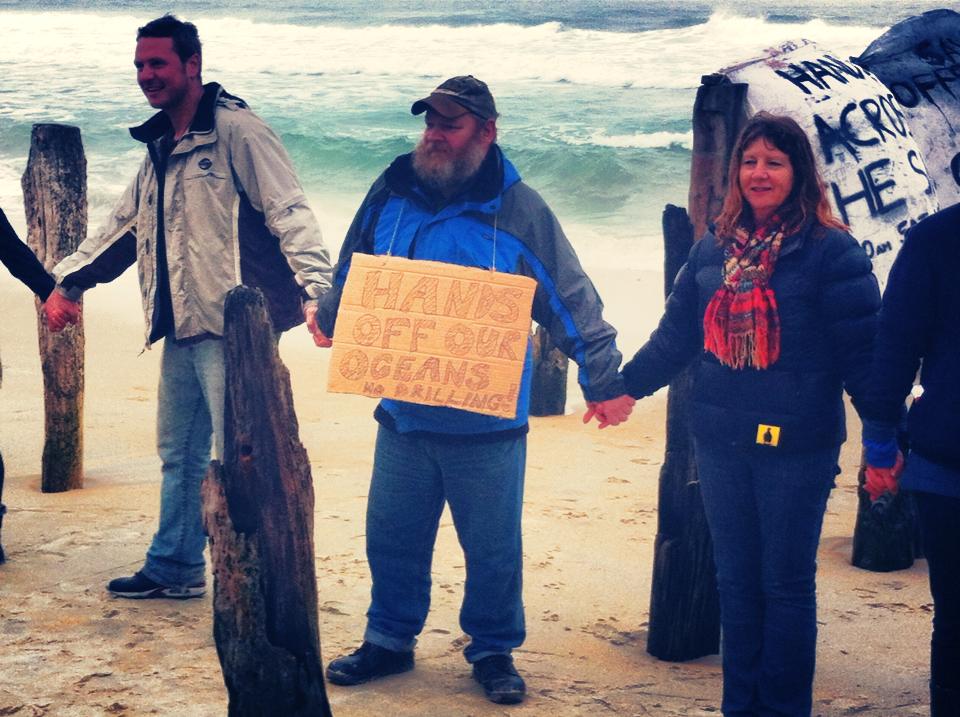
 Deep-sea oil-drilling is of major concern in the Otago region of New Zealand because of the alarming environmental and economic risks that it poses to our people, our climate, and our land and sea. There are currently no adequate protection measures in place to protect our environment from a deep sea oil disaster. Aotearoa stands to gain just 5% of the profits from the drilling, yet we will bear 100% of the risk involved. History tells us that it is only a matter of time before we pay the price. Global oil giants are not welcome to drill in our coastal waters.
 Oil Free Otago