Deep sea drilling – coming ready or not

Gulf_of_Mexico 3 photo by John Wathen

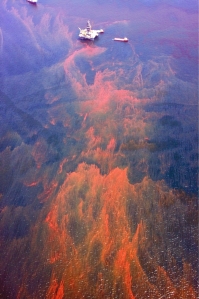
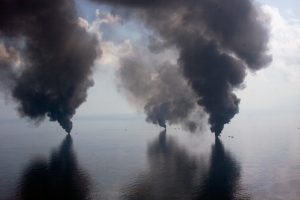
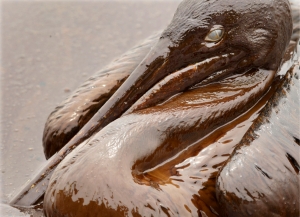
A week after the BP Deepwater Horizon oil disaster in April 2010, Alabama photojournalist John Wathen contracted a plane, grabbed his camera, and began filming. On a visit to Dunedin he described that disaster as it is still unfolding, three years later. He showed the black smoke four and a half thousand feet in the air as they burned off the oil. He showed how the sea changed to a brightly rainbow-coloured oil soup, then, weeks later, deep reddish purple. He described the death of birds, whales, dolphins and fish, respiratory and skin illnesses in people, destruction of livelihoods and of the environment on a massive scale.

The summer after the event, authorities covered the beaches with pristine white sand to make them look normal for the tourists. But the sea wasn’t safe. One of those tourists, a healthy young marine, swam in the sea and now has lesions on his brain and suffers constant siezures. People who swim in the Gulf, even now, get lesions that won’t heal. John has scars on his own arm from sores that took over a year to heal.
Gulf of Mexico 1 photo by John Wathen

The food is contaminated, but if the fishermen don’t fish the State calls it voluntary abandonment of livelihood, so there is no compensation. There’s not much left. John showed a picture of a shrimp (prawn) born with no eye sockets.

He showed a sperm whale soon after the disaster, lying in the oily water, blood streaming from its blowhole. He showed a young dolphin washed up on the beach three years and three generations after the disaster, unnaturally small, its own mother genetically damaged after its grandmother ingested Corexit.

Corexit is a dispersant, a by-product of oil refining and manufactured by the oil companies, that was used in vast quantities after Horizon to try to disperse the oil. It broke the oil into tiny particles that sunk and then dispersed more widely into the environment. The dispersant was absorbed through the skin and ingested by the marine life. It entered the hydrologic cycle, evaporated into clouds and fell as rain.

The huge quantities of reflective oil created its own new weather pattern, with cumulous that normally forms over land piling up at sea and being carried and dropped onto the southern US.

John described the fate of his vegetable garden; corn that wouldn’t grow, beans like rubber – nothing was edible. He said entire marshlands died overnight when the Corexit fell as rain. He described how dolphins and other creatures, instinctively trying to reach their breeding grounds, swam straight into the oil. Those that were saved went straight back.
Gulf of Mexico 2 photo by PJ Hahn

It feels uncaring to talk in dollar terms after hearing John’s story, but the cost of this disaster to Americans is $80 billion and rising.

Why don’t we hear about this? Is it partly because BP spent $50 million on their public relations post Horizon strategy?

John Wathen was here to warn us. He said his trip to NZ, sponsored by Greenpeace, has been part of his healing process; that if he can alert people to what happened in his homeland and help prevent it happening elsewhere, then something good can come of this tragedy.

John Wathen’s visit is timely

It is over seventy years since Shell drilled the first commercially viable offshore oil well in the Gulf of Mexico. Today there are over 4,000 wells, many of which leak oil daily. Our first southern ocean exploration well is due this coming summer. Anadarko Petroleum Corporation, a quarter owner of the Deepwater Horizon rig, plan to drill 60km off the Dunedin coast.

The Horizon rig was 66km from the Louisiana coast when it blew.

About 150 km out from Dunedin, in the Great South Basin (GSB), Shell New Zealand is planning to drill down to about 4km in 1.5km deep water soon.

The Deepwater Horizon rig was situated in the relatively calm waters in the Gulf. Hundreds of vessels were nearby to help as soon as disaster struck. Anadarko and Shell’s planned wells would be in areas as remote, and in seas as rough, as any on the planet.  Help would be weeks, months away.

In October 2011 New Zealanders witnessed the unpreparedness of our maritime safety system after the Rena capsized off the coast of Tauranga. Maritime New Zealand sprayed six hundred litres per flight of Corexit on to the fast growing oil slick before abandoning the practice after a few weeks. This, New Zealand’s worst maritime disaster so far, was tiny compared to other oil spills that happen daily around the world. The Montara blowout off Perth in 2009 spilled the equivalent of one Rena disaster per day for 74 days into the Timor Sea. Around 64,000 hectares of coral reefs were destroyed.

New Zealand is a tiny country. Such a spill in our southern ocean would, with the prevailing currents, reach the entire eastern coast of the South Island.

Rena has cost taxpayers $36.8 million. Meanwhile, the government has a $10 million cap on what oil companies have to pay if a disaster occurred. A tax exemption on profits of non-resident operators of offshore rigs and seismic vessels has been extended until the end of 2014. Beyond 12 km there is no requirement for them to produce ESHIAs (Environmental, Social and Health Impact Assessment) and there is no industry bond to cover liability. Taxpayers have spent $25 million upgrading NIWA’s Tangaroa, enabling it to sell seismic surveys to the oil industry.

Local bodies and communities have no say as to whether or not companies drill in our oceans, and rarely, in these times of 20 second sound bites, do stories like John Wathens’ get heard by the wider community. But it is stories like this one that should be part of the mix when decisions are made about deep sea oil drilling in New Zealand. We need to be given the facts, see beyond the public relations spin, and understand the risks.

Beach Cleaners Protest Shell

fui 3

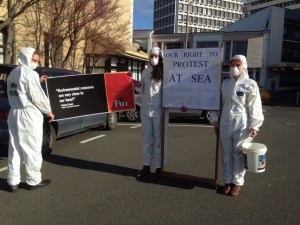
Oil Free Otago staged a ‘beach cleaner’ protest outside Community House on Thursday, where Shell Oil were meeting with environmental groups about their plans for drilling off our coasts in the Great South Basin.

This meeting was part of Shell’s campaign to legitimise their claim that “Environmental concerns are very close to our heart.” To this, we say “Fui”, something Dave’s nana used to say to mean “bullshit”. Shell have a terrible safety and environmental track record. For example, Shell spilled nearly 14,000 tonnes of crude oil into the creeks of the Niger Delta in 2011, they have also recently had to cancel their plans to drill for oil in the Arctic this year.

Our first objective for the day was to engage with members of the public to make them aware of the deep-sea oil risk that is being posed to our coasts. We had an overwhelmingly positive response, with many members of the public joining us in protest for various periods of time.

It was our goal to ensure that Shell is aware that they, and any other oil companies, are unwelcome to drill off the coasts of Otago. We achieved this by, very ‘vocally’, escorting’ the Shell representatives to their car (which we noted was parked in the Countdown carpark, rather than in legal pay-and -display parking 😉  ). They were certainly in a hurry to leave.

Fui 1

Derek Onley, who attended the meeting on behalf of  the  Ornithological Society, said,

“There was little new information.Shell have back-pedaled on their ’empty-ocean’ stance, and are now accepting that yes, the ocean is full of creatures. In fact, they now agree that their drill site is in the middle of a whale migration zone. They mentioned that if there was an oil blow out, it would take relief response at least 14 days to arrive here from Singapore.”

fui 4

Shell said that they have still not decided whether or not they will go ahead and drill.

Oil Free Otago will continue to oppose Shell and Anadarko at every step of the way.

http://www.odt.co.nz/news/dunedin/267143/oil-free-otago-protests-outside-meeting

  fui 2

Eye-Witness Account of The Gulf Of Mexico Oil Disaster

John Wathen is an award winning photo journalist who recently toured Aotearoa recounting his experience both on the ground and in the air documenting the catastrophic 2010 oil spill in the Gulf of Mexico.

John flew out over the gulf in a light plane and captured the event as it was unfolding resulting in some amazing footage and images of the worst environmental disaster in America’s history.

His presentation contains some blunt warnings and important lessons for New Zealand as we consider the threat of deep sea oil drilling in our waters in the near future.

Lush Support on World Oceans Day

luush 2

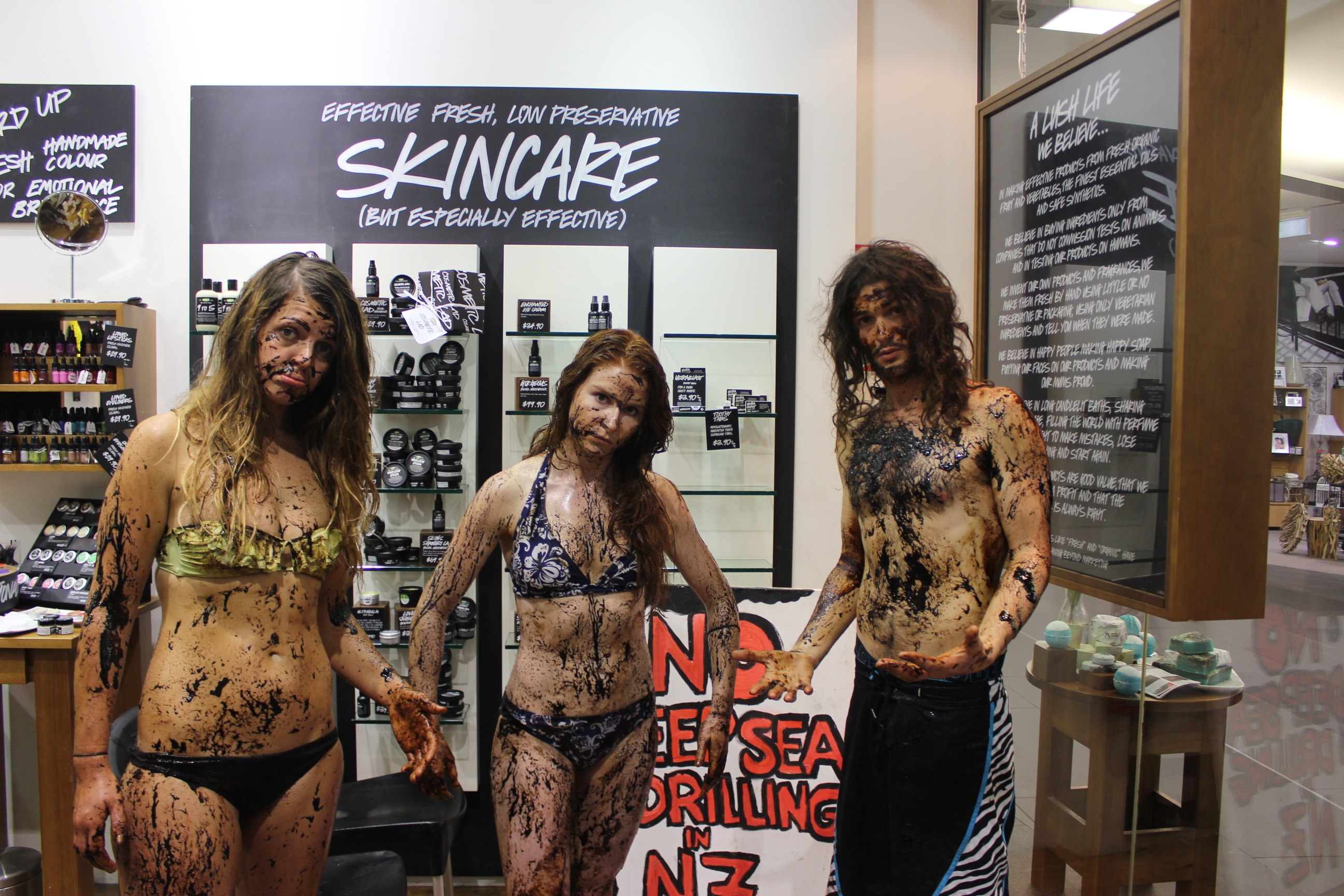
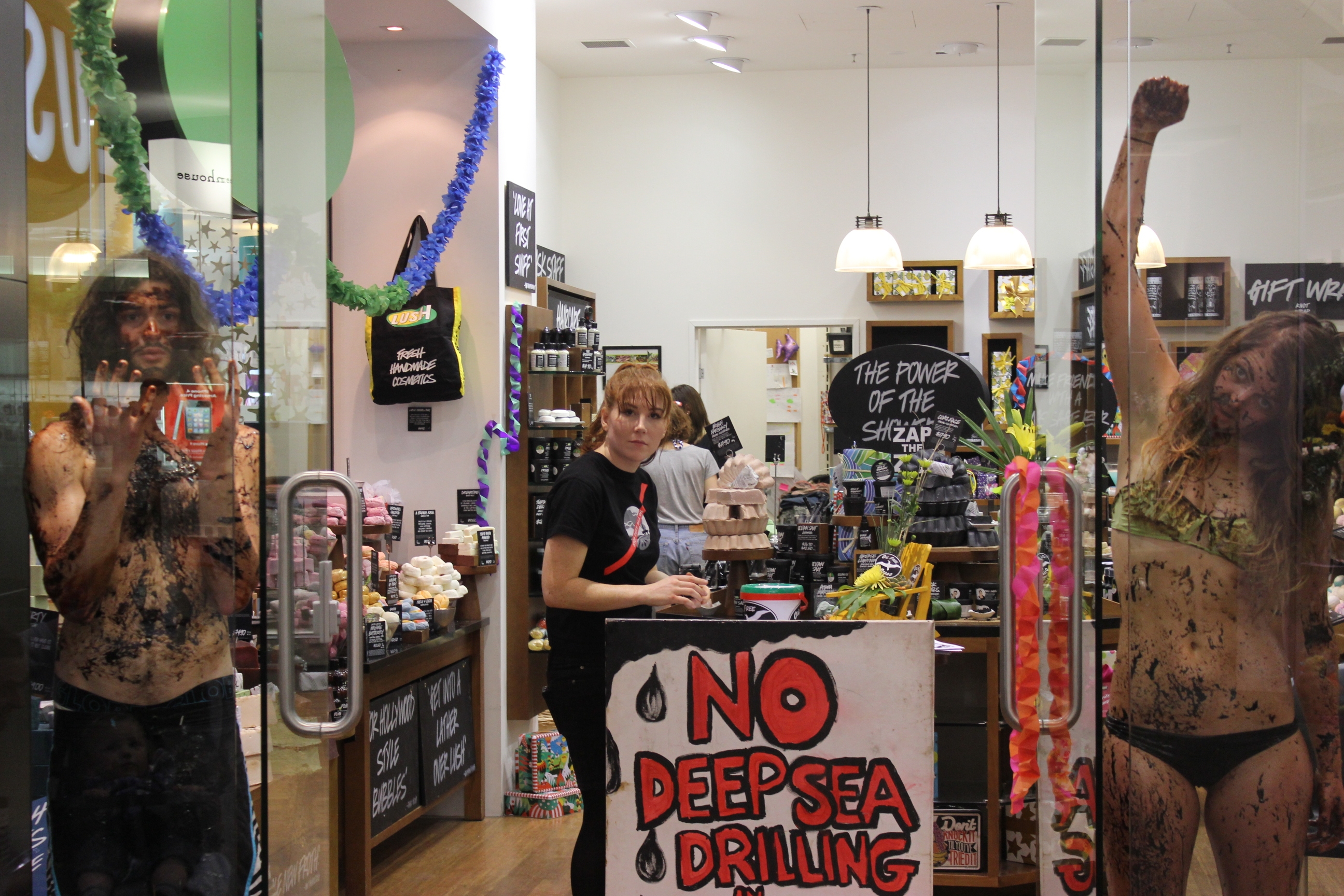
The serious business of shopping was interrupted on Saturday by scantily clad oily people at Lush that caught the attention of bemused shoppers – and their other halves.Lush

Oil Free Otago members held the event, in conjunction with Lush, to coincide with World Oceans Day. On World Oceans Day and we wanted to alert Dunedin people that our ocean is at risk. Anadarko, partners in BP’s Deepwater Horizon disaster in the Gulf of Mexico, are coming to drill for oil off our coast this summer. Shell are also looking to start deep sea drilling in the Great South Basin soon.While these companies get tax exemptions, government subsidies and almost all the profit, we get all the risk of an oil spill.

luush 3

What about the jobs and prosperity Anadarko and Shell might bring to Dunedin? Check out last year’s Ministry of Economic Development report (Regional Impacts of a New Oil or Gas Field).This report says it is highly unlikely that companies would invest in onshore infrastructure. They will export the oil and gas directly. We won’t see it unless it washes up on our beaches.

If that happens, we pay for the cleanup. The Rena cost taxpayers $46.9 million, and that was tiny compared to a major oil rig blowout. The Deepwater Horizon disaster has cost Americans $80 billion and rising.

Cleaning up Saturday’s oily people was easy, but the serious business of cleaning up our beaches will cost a lot more than a bar of Lush soap.


A huge thank you to Lush (Dunedin) for their support  

!luush 1

Bill McKibben Tour: Updated Details Of In-Person And Broadcast Events

tjonescan's avatarCoal Action Network Aotearoa

As previously reported, 350.org founder Bill McKibben is bringing his “Do the Maths” climate change tour to Aotearoa – and now the tour will reach way beyond the three live venues of Auckland, Dunedin and Wellington.

Appearances in person

There are three in-person events:

  • Auckland – Tuesday, 11 June, Epsom Girls Grammar School Hall, 7-8.30pm: Buy tickets
  • Dunedin – Wednesday, 12 June, Colquhoun Lecture Theatre, Dunedin Hospital, University of Otago, 12 June, 7pm: RSVP
  • Wellington – Thursday, 13 June, The Embassy Theatre, 7-8.30pm: Buy tickets

Please note: Invercargill event is now a delayed broadcast on Thursday 13 June

The Invercargill event, which was originally listed as a live broadcast on 11 June, will now be a delayed broadcast starting at 6.45pm on Thursday 13 June at Level 3, 5 The Crescent.

Live broadcasts on Tuesday 11 June

Bill McKibben’s Auckland presentation will now be broadcast live to many other centres…

View original post 112 more words

Untabled facts tell a different story, of danger and disaster

Image

Untabled facts tell a different story, of danger and disaster

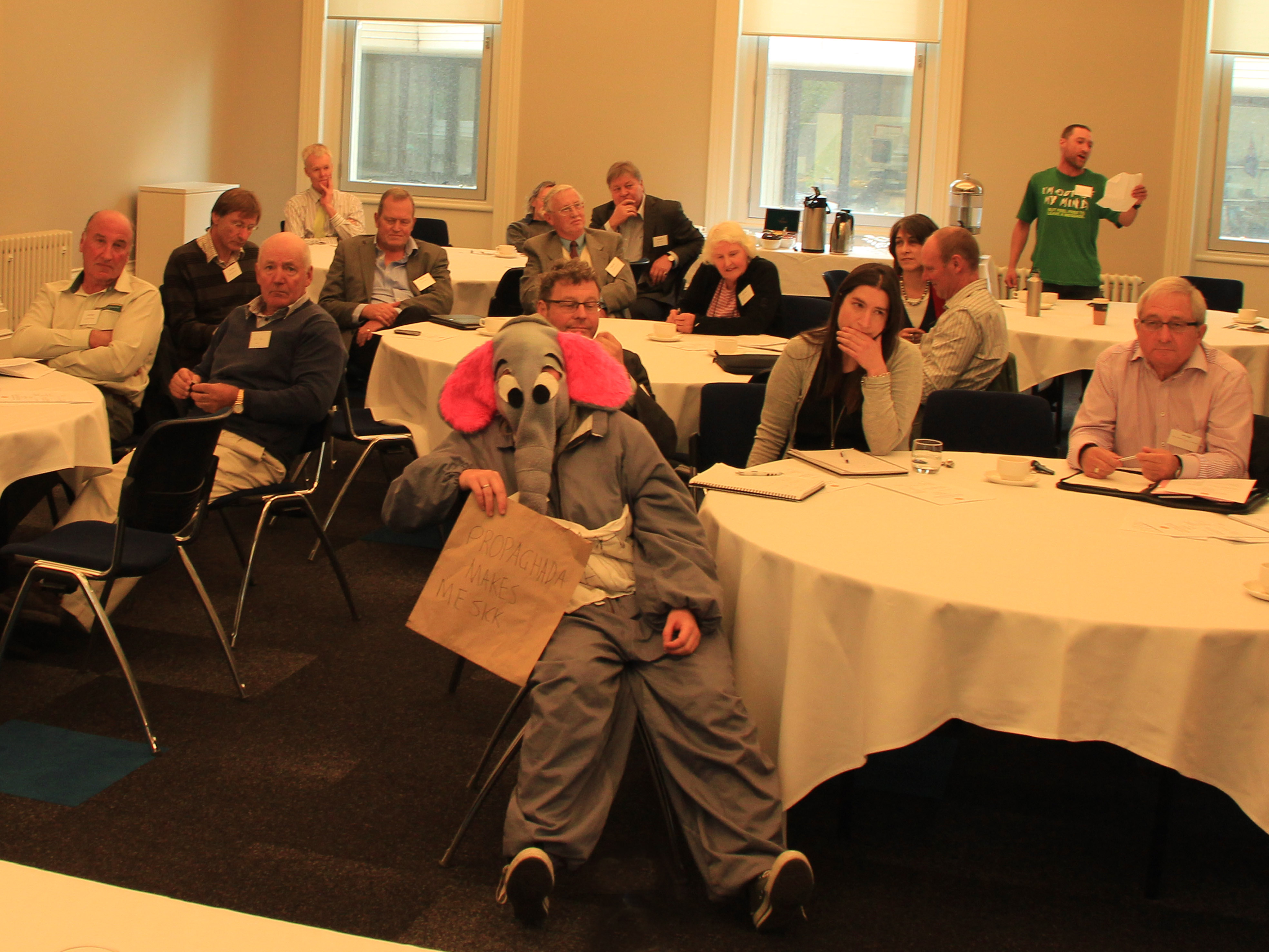
Shell’s exploration manager Roland Spuij was “simply trying to lay the facts on the table” before protesters closed down their community engagement workshop in Dunedin on 8 April. By then the presentation was almost finished – so what facts did Shell lay on the table?

The decision to drill down to 4km in 1.5km deep water in the Great South Basin (GSB), about 150km off Dunedin, will be made later this year. Seismic surveys suggest a 70% chance of finding nothing, a 30% chance of gas and a 1% chance of oil.

It’s gas they’re after, said Shell, not oil.

How credible is this claim? The technology to liquefy gas at sea is still unproven. Our back yard would be Shell’s testing ground for their not yet built FLNG (floating liquefied natural gas vessel); four soccer fields long, six times heavier than the biggest aircraft carrier, and holding 174 olympic swimming pools worth of liquefied gas chilled to -162 degrees C. A gas find would have to be massive to be economically viable. 

Are Shell playing down their expectation of oil to allay fears of the oil-on-beaches image, so real since Rena?

That’s not to say a gas blowout wouldn’t be destructive. Gas could boil to the surface and kill rafting birds such as albatrosses – in Shell’s words, a “moderate” impact.

Such accidents happen even where help is at hand, let alone in a region as remote as the GSB. In the North Sea, a leak at the Elgin platform spewed 200,000 cubic meters of gas per day. It cost $3 billion and took six months to drill relief wells to stop the leak.

But Shell assured the meeting that they “will design the well to the highest industry safety standards”.

How high are these safety standards? They emphasised their injury record in a graph whose unexplained y-axis, ranging from zero to five, hinted at low numbers but turned out to be “number of injuries per million working hours”. To give some meaning to this scale the UK, whose injury record is four times better than ours, had about 130 major or fatal injuries per 100,000 workers last year.

Until 2011 there was only one inspector to oversee our entire oil and gas industry. Now there are three; still poor compared to other countries.

What of Shell’s environmental safety standards?

“Environmental concerns are very close to our heart” Shell repeated (no less than five times) while showing photographs of whale, albatross and shearwater, and the entrance to a local marae.

However, Shell’s ESHIA (Environmental, Social and Health Impact Assessment) had not been completed, so there was little of substance to present. NIWA’s Tangaroa had just returned from another seabed survey, and although the data hadn’t yet been analysed, it did not stop Shell’s environmental officer from pre-empting the findings; “As you can see, not much there”, he repeated as Tangaroa’s cameras cruised the seabed. A diagram showing marine migration routes passing either side of the proposed drill site backed up the story of an empty ocean. – “No fishing, no tourism, no infrastructure.”

But details of migration, breeding and feeding patterns are virtually unknown for most of our southern ocean creatures. We know little about what our Tairoa Head albatrosses get up to when away from home. We do know that the southern ocean is home to the greatest number and variety of albatrosses and other seabirds in the world.

Close to the heart, or close to the chest? What other facts did Shell leave off the table?

Oil and gas spills happen all the time. The 2010 Horizon disaster in the Gulf of Mexico is only extraordinary in terms of scale. Between 2001 and 2010 in the Gulf alone, there were 855 fires or explosions, 1,349 injuries and 69 deaths.

The Montara blowout of 2009 off the coast of Perth, at a depth of 80 meters, took two and a half months to plug and destroyed around 64,000 hectares of coral reefs off Timor. This equates to one Rena disaster every day for 74 days.

Back to Shell. Let’s lay some more facts on the table.

Twenty million people have been displaced following 60 years of environmental damage by Shell’s drilling in the Niger Delta. Following the hanging of nine Nigerian peaceful protestors Shell were sued in 2009 for human rights abuses including summary execution, crimes against humanity, torture, inhumane treatment, arbitrary arrest, wrongful death, and assault and battery.

In February this year Shell pulled out of the Arctic after a drillship grounding, engine failures, a fire on one of its rigs and other technical difficulties.

Shell have been censured 25 times in the past six years for breaking safety rules, but have a history of under-reporting such incidents, let alone laying them on the table in community engagement workshops.

But actually, I agree with Shell; why bother to mention such things?

Companies like Shell already have enough proven oil, gas and coal reserves on their books to raise the atmospheric temperature to five times beyond the so-called “safe” two degree limit. Once burned, it’s goodbye future for our grandchildren.

Oil spills, dubious safety records, crimes against humanity, pale in comparison to the future impacts of Climate Change, the elephant in the room, so studiously omitted from the table at Shell’s community engagement workshop.

By Rosemary Penwarden

Hands Across The Sand

Image

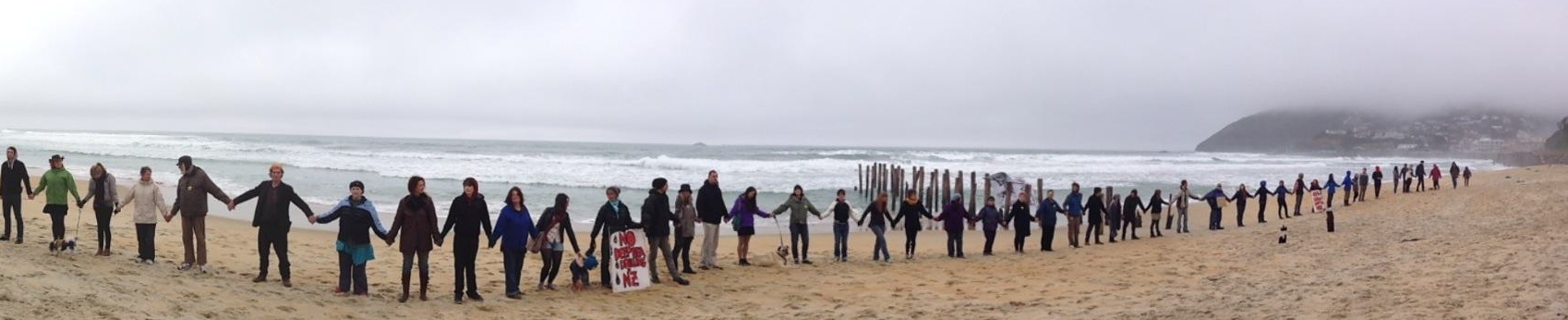
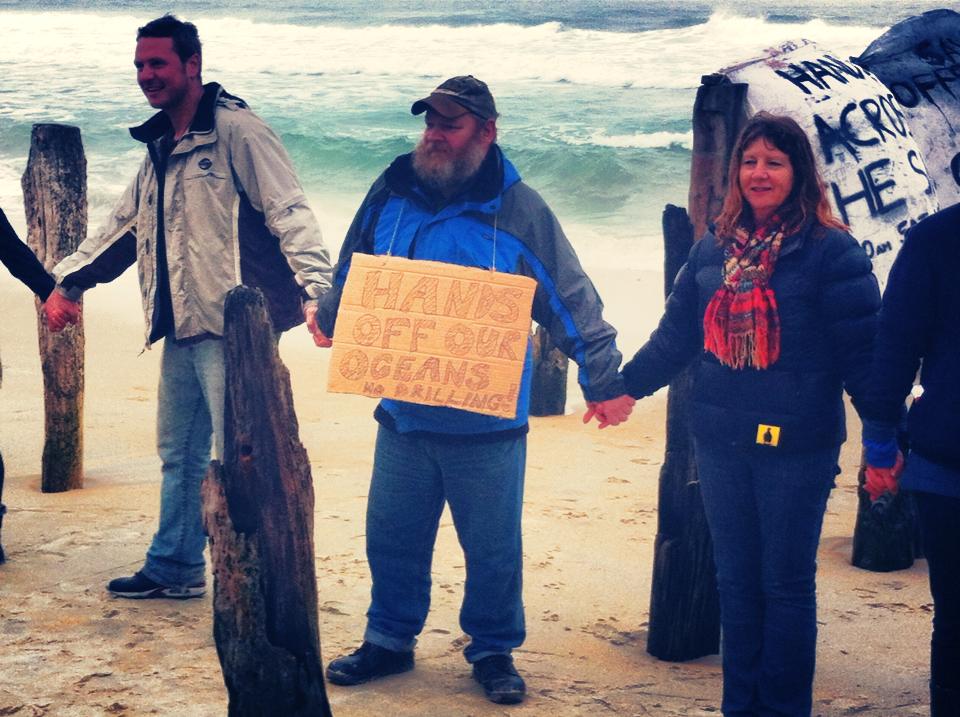
On Saturday, the 18th of May communities all over the world came together to draw a line in the sand to say no to fossil fuels and yes to clean energy. At 12noon people came together to hold hands for fifteen minutes and draw this symbolic line in the sand. In New Zealand alone, nine groups around the country, comprising over one thousand people, took to the beaches to say no to deep-sea oil drilling in Aotearoa.

On this freezing cold, wet day about sixty people in Dunedin stood together at St Clair beach. These community members voiced their concerns about Anadarko Petroleum Corporation and Shell drilling in our coastal waters.

Over five hundred people lined the beach in the small community of Kaikoura. Their community has clearly united over this issue after their recent  dealings with the government and Anadarko. Oil Free Otago’s aim is to build a similar united front against drilling in Otago.

The people on our beaches on the 18th were a diverse group from all walks of life. The movement against deep-sea oil drilling in New Zealand is growing.

Image

Image

http://www.odt.co.nz/news/dunedin/257700/hands-message-oil-companies

http://handsacrossthesand.org/

http://www.stuff.co.nz/marlborough-express/news/8692829/Hundreds-protest-deep-sea-drilling

http://www.stuff.co.nz/nelson-mail/news/8693861/Linking-hands-against-oil-exploration

http://www.stuff.co.nz/dominion-post/news/politics/8690901/Making-a-stand-on-the-sand

http://www.radionz.co.nz/news/national/135468/beach-protests-held-against-deep-sea-drilling

What’s in the Pipelines

Image

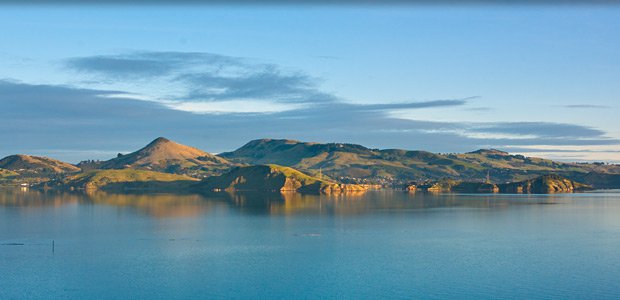
This summer Texan oil giant, Anadarko Petroleum Corporation, intends to begin their test drilling program in the Canterbury Basin, NZ. The Caravel prospect is located off the coast of Moeraki, and the Carrick prospect is directly off the Otago Peninsula. The global oil giants Shell and OMV are also currently exploring the Great South Basin for new oil and gas reserves (exploration permit PEP 50119) with the intent to extract these resources in the near future, also just off the coast of Dunedin.

– Anadarko had a 25% share in the project that caused the Deepwater Horizon (BP) oil spill, Gulf of Mexico in 2010, spilling over 600,000 tonnes of oil into the sea.
– Shell spilled nearly 14,000 tonnes of crude oil into the creeks of the Niger Delta in 2011.

ImageDeep-sea oil-drilling is of major concern in the Otago region of New Zealand because of the alarming environmental and economic risks that it poses to our people, our climate, and our land and sea. There are currently no adequate protection measures in place to protect our environment from a deep sea oil disaster. Aotearoa stands to gain just 5% of the profits from the drilling, yet we will bear 100% of the risk involved. History tells us that it is only a matter of time before we pay the price. Global oil giants are not welcome to drill in our coastal waters.

Image