Selling Future By Buying Debt

rosemary

This article by Rosemary Penwarden first appeared in the Wanganui Chronicle:

http://www.nzherald.co.nz/wanganui-chronicle/opinion/news/article.cfm?c_id=1503423&objectid=11180816

My mum is 89 and needs 24-hour care. Despite multiple strokes, she can still smile and, when the clouds in her head part, the old sense of fun is not faraway. She holds a blue stone day and night.

My Christmas was spent feeding mum, helping her stand so she felt safe to take those few excruciating steps to the bed, the wheelchair, the commode. I changed her, washed her and read to her. I held her hand when she was upset in the night.

Except for a few phone calls and visits from family, that was our Christmas.

I turned off the radio and the TV. We didn’t have to participate in the nation’s most obscene display of conspicuous consumption ever recorded – a record-breaking 148 electronic transactions per second at 12:24pm on Christmas Eve.

Nor did we join the Boxing Day scramble when sales rocketed 12 per cent past last year’s record.

And when more than 20,000 new items got listed on Trade Me.

Mum’s carers came as usual to shower her at Christmas. They used their own cars, paying the first 10 kilometres themselves and then earning 30 cents per kilometre on top of a minimum hourly rate of $13.75.

Along with their 40,000 care worker colleagues, they sit at the bottom of the Kiwi income ladder, where half of New Zealanders earn less than $24,000 per year. At the top, a chief executive’s average salary is $1.5 million.

So who was ringing up $235 million through the nation’s tills on Christmas Eve while mum’s carers worked and we sat home? Who owns what in Godzone?

New Zealand’s 2.9 million adults own almost $470 billion in cash and assets, but it’s not shared evenly. In fact, the wealthiest 1 per cent own three times as much as the poorest 50 per cent combined. Around 1.45 million of us own just 5 per cent of the nation’s wealth.

At the bottom end of the asset ladder, it’s not wealth but debt, debt, debt. Hence, for many, Christmas becomes the most stressful time of year. On go the carols, up goes the tinsel and out comes the hard sell. Off we trot, clocking up debt that half of us can’t afford to repay.

My friend, physics professor Bob Lloyd from the University of Otago, talks about another, bigger kind of debt – and not just at Christmas. He talks of energy inputs and outputs.

One output is atmospheric carbon dioxide (CO2). Since the discovery of coal, cheap oil and gas, we’ve been on an energy spending spree like there’s no tomorrow. The burning of these fuels has dumped massive amounts of CO2 and other greenhouse gases into the atmosphere, warming the planet.

This is a proven fact, but vested interests – mostly with connections to the fossil fuel industry – try to confuse us. You can see why – they have a lot to lose. Eighty per cent of their already discovered coal, oil and gas will soon be worthless because they will have to remain unburned for the planet’s atmosphere to keep to two degrees of global warming.

Go above two degrees, the world’s governments have agreed, and we are on a trajectory toward mass extinction within a few short generations.

It may already be too late. Weather patterns are changing faster than predicted, ice is melting and excess dissolved CO2 is acidifying the oceans.

Carbon dioxide stays in the atmosphere for many hundreds of years, so even if we stopped burning fossil fuels today, multiple changes are already in the pipeline. Put bluntly, the world’s output of CO2 has become the main limiting factor to future human existence. We’re in debt, big time.

But Bob sees global warming as a symptom rather than a cause. Our CO2 debt, like our household debt, is a symptom of the same addiction. The cause, up in lights this Christmas, is conspicuous consumption, rampant consumerism, the myth that we can keep on growing in a finite world already choked to the brim.

Bob’s cure is a strict treatment regime with three main remedies.

One: We need to reduce inequality. Why do we allow a chief executive to earn more than 62 times what we’re prepared to pay someone to toilet him when he’s old?

Two: We need to change the economic system to reverse the emphasis on conspicuous consumption.

Three: We must halt the vested interests that, until now, have kept the “business as usual” machine ticking along – vested interests like those described by English journalist George Monbiot in a February 2013 Guardian article about two secretive organisations working for US billionaires that have spent $118 million to ensure that no action is taken to prevent man-made climate change.

Who doesn’t want the best for their kids? Our Christmas gifts to them include an atmosphere choked with CO2, slowly dying oceans, record storms and droughts far into the future. Right now we are stealing from their future to give them something they may just put on Trade Me the next day.

It’s not going to be easy. We need to get honest and stop pretending there’s no tomorrow. Tomorrow belongs to our kids.

And here’s a gift for next year. Find an old person, turn off the TV and radio, and be with them for Christmas.

Rosemary Penwarden is a Wanganui grandmother, freelance writer and member of Coal Action Network Aotearoa, a group that wants to see the sensible phasing out of coal mining, and Oil Free Otago.

WEBSITE LAUNCH

WEBSITE LAUNCH

The Oil Free Future Summit Website is now live!

Find out more about how the weekend of art, learning, music, and action will entertain, educate, and empower you.

Planned for the 10-11-12 January! Register for the Saturday conference talks, we will sell out as seating capacity is limited! Artists can submit artwork for the exhibition: Oil On Canvas! There is even a kid’s page with interactive fun! Browse the new site, register, and share it with your friends!

New Zealand’s First Oil Free Future Summit 2014

Oil Free Future Summit Print

Oil Free Otago are hosting Aotearoa New Zealand’s first OIL FREE FUTURE Summit in Dunedin on 10, 11 and 12 January 2014. Our summit will coincide with Anadarko’s planned deep sea exploratory well off our coast. Our plan is to show Anadarko and the Government the strong local and national opposition to deep sea drilling in New Zealand’s EEZ. It will be a weekend of art, socialising, talking and action. Friday evening will include an art exhibition by local artists: “OIL ON CANVAS”. Saturday will be a day of talks from experts and those closest to the issue, nationally and internationally. The famous “MESS WITH TEXAS” gig will rock the town on Saturday night. Sunday will include a church service, emphasising the link between deep sea drilling and climate change, the most pressing moral issue of our time. The rest of Sunday will be a family day of action on our beautiful Otago harbour.

The summit is our contribution to the national campaign against deep sea drilling in NZ. If you can help, we would be stoked! Please email us with any offers of assistance, from funding to organising, or if you would like to get involved in planning, have some cool ideas or just want to find out more, we’d love to hear from you. Email oilfreefuturesummit@gmail.com.
Register Now!

Save the weekend, and see you in Dunedin!

If you are interested in helping Oil Free Otago with this project financially, you can make a donation here: http://www.givealittle.co.nz/cause/OilFreeFutureSummit2014

Tiama at sea

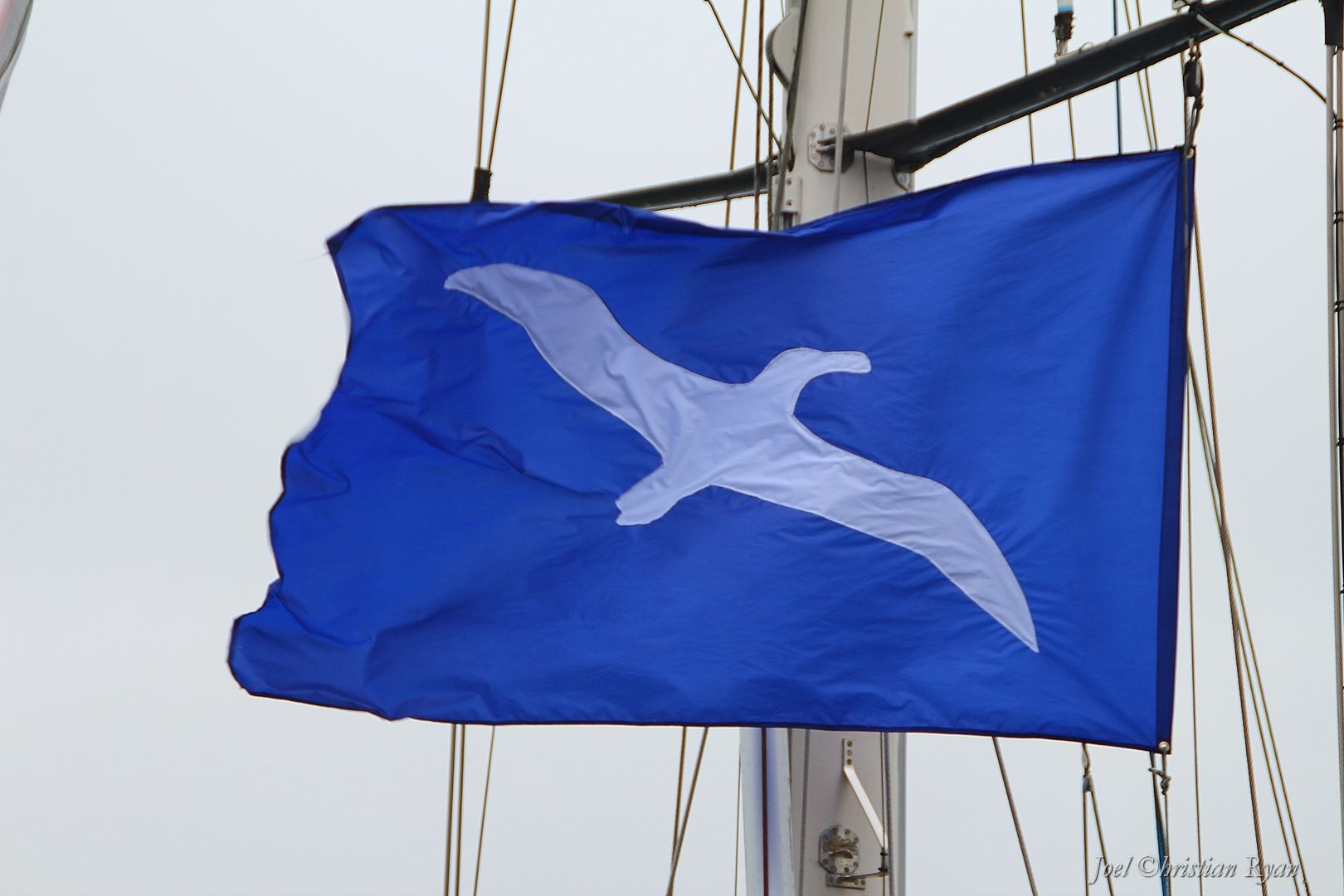
ofo flag

Yesterday afternoon both James Rust and I received phone calls from our friends in the Oil Free Seas Flotilla, asking us to join them on the beautiful Tiama, at sea. As we had just been down in Bluff a few days earlier bidding Tiama and her crew farewell, this came as a bit of a surprise to us. In a whirlwind, by 6.30pm that evening we were on a small old ferry from the early 1900’s on our way out to meet and board Tiama.
We were welcomed aboard Tiama by a few people who hold a revered celebrity status within the Oil Free Otago working group, Bunny McDiarmid, executive director of Greenpeace New Zealand, who, due to her epic debating performance on The Vote is the official “girl crush” of one of our members; Jeanette Fitzsimons, former leader of the Green Party and New Zealand’s ‘most trusted politician, turned grassroots activist; and Henk Haazen, the mighty warrior of the seas, and skipper of Tiama. The other crew members on board who we have just met are the talented sailor and videographer, Pascale, who is documenting the stories of the trip (www.oilfreeseasflotilla/blog), and Barclay, who is following a long line of family tradition of protest at sea.
The best, and most notable, aspect of the crew is how normal they are. They all cook, clean, take turns on watch, and have the same personal concerns about deep sea drilling that we do. Sorry to let you down fans, but the sailors of the Oil Free Seas Flotilla are everyday people like you and me, taking a stand to protect our oceans, climate and way of life from deep sea oil drilling, in between cups of tea.
James was allocated watch shift with Pascale from midnight to 4am, as we sailed up the coast of the North Island. He says, “It was beautiful moonlit end to a long day, gliding through calm seas, learning the ropes in the dark, and hearing epic tails from Pascale’s adventures, of getting stuck in the ice sheets for 6 months; of killerwhales hunting narwhals; and that time she came to realise that punching a shark in the nose to get her catch back,(while it had worked)was probably not the best idea.” At 4am, Barclay woke me up for our watch shift, from 4am to 8am, sunrise! I spent the early morning learning to tie off some sailing knots, and being shown how to mark our location on a chart. As the sun came up we saw some albatross cruising around the boat. Barclay and I chatted, watched the stunning morning unfold, and made coffee and porridge for the rest of the team. Today has been total luxury, with sun, sandwiches and smooth sailing.
James and I both feel that being out here on the ocean is strengthening our resolve, and confirming our mission out here to protect it.  Tomorrow we will meet the other boats of the flotilla at ‘point x’, and who knows what will happen. I’m excited and privileged to have the opportunity to come to sea to represent Oil Free Otago in defending Aotearoa from Anadarko and deep sea oil drilling. This is especially close to home right now, as after they drill here in deepwater Taranaki, they are headed down south, to drill off the coast of Dunedin in January. We will do our best to send the message loud and clear, “No deep sea oil drilling in NZ. The people of Otago say No.”
This is just the beginning, but Anadarko should be worried when they meet the people of the Oil Free Seas Flotilla, because we represent so many others who are joining the growing wave of opposition to deep sea drilling, and we are a force to be reckoned with.  -Niamh O’Flynn Oil Free Otago

OFO/DCC Submission to Petroleum Block Offer 2014

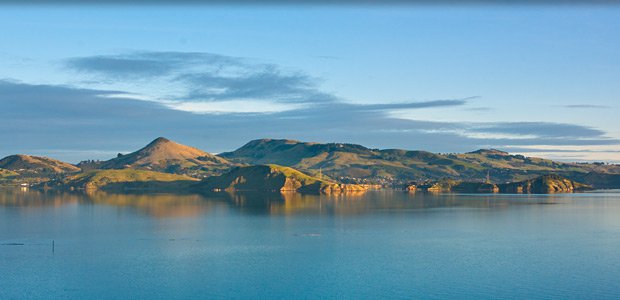
Otago Harbour

Otago Harbour

Oil Free Otago’s submission to the Dunedin City Council submission to Petroleum Block Offer 2014.
DCC now have until 14 November to correlate residents’ responses and write their own submission. All residents’ submissions will be attached as an appendix which will go to NZ Petroleum and Minerals (NZPAM), which reports to Simon Bridges, Minister of Energy and Resources.

Submission on Petroleum Block Offer 2014 consultation

To the Dunedin City Council

policy@dcc.govt.nz

31 October 2013

From: OIL FREE OTAGO

Email contact details: oilfreeotago@gmail.com

Kia ora

Oil Free Otago acknowledge the government’s commitment to consult with iwi and hapu about Block Offer 2014 and are pleased to accept the mana whenua’s important role as Kaitiaki of the coast and ocean on behalf of us all. However, we do not accept that other residents will not be consulted. Even local authorities are not being consulted, but onlynotified to ensure an informed and robust process“. This is not acceptable.

The risks to Dunedin (and in the wider context to all New Zealanders and to the world) of deep sea drilling off the Otago coast and anywhere in our exclusive economic zone are so serious that we recommend that all deep sea exploration and drilling in NZ should cease. The two major risks are local, to the environment and the economy and global, to climate change.

Environment and economy 

A major gas blowout or oil spill has the potential to ruin Dunedin’s environment and economy, due to its effect on: 

Our Otago coast’s clean unspoilt beauty, its unique wildlife and the special lifestyle it affords (surfing, diving, boating etc) – and on the importance of NZ’s 100% pure clean green brand.

Dunedin’s ecotourism which brings around $100 million annually into our local economy. Wildlife that would be affected includes:

yellow eyed penguins

Northern royal albatross (more albatross species breed in our exclusive economic zone than anywhere else in the world)

world’s rarest sea lion, the NZ sea lion

38 of the world’s 80 whale and dolphin species breed here. Whales are returning to the Otago coast after many years’ absence.

The fishing industry – commercial, recreational and customary. Fishing is New Zealand’s fifth largest industry, generating $1.2 – 1.5 billion per year. The fishing industry in the Gulf of Mexico may take 50 years to recover from the Deepwater Horizon disaster – if ever. (John Wathen http://www.youtube.com/watch?v=yduv3APYawA)

Rather than being an economic boon as many suggest or believe, the industry is an economic and social burden. 

The oil and gas industry has already cost taxpayers $46 million this year. (http://awsassets.wwfnz.panda.org/downloads/wwf_fossil_fuel_finance_nz_subsidies_report.pdf)

We could not afford a disaster. The Deepwater Horizon disaster cost Americans $42.2 billion. (wikipedia)

Jobs will not be for local people – they will be specialist positions for foreign or out of town experts (http://www.med.govt.nz/sectors-industries/natural-resources/pdf-docs-library/oil-and-gas/economic-contribution-of-oil-and-gas-industry/BERL%20report.pdf)

Infrastructure costs, for example improving Dunedin airport for larger industry traffic, would likely fall upon the ratepayer and taxpayer with no regional royalties from the industry.

Concern of the social impact of a large extractive industry offshore – what effects will fly-in fly-out workers have on our safe Dunedin social fabric?

It is economically naive to invest money and energy in exploring for and producing a product that must not be used due to climate change (see below). For our local community to depend on oil or gas for its wellbeing makes no economic or social sense whatsoever (eg: Environmental Debt, Amy Larkin, 2013 p150)

Anadarko were a 25% co-owner of the Deepwater Horizon disaster and received daily reports of events leading up to that disaster. It appears they were not a passive investor as asserted by NZ’s Anadarko CEO on Campbell Live 8 October 2013. This assertion and other incidents, such as a US class actions against them, the Anadarko NZ companies being registered in the Cayman Islands (why, if not to avoid paying income tax?), their lack of transparency whilst visiting Dunedin and their use of military counterinsurgency tactics against US citizen industry activists (http://dfw.cbslocal.com/2011/11/11/gas-companies-caught-using-military-strategies-to-overcome-drilling-concerns/) do not paint Anadarko as a trustworthy corporate citizen yet we are being asked to trust them with our ocean and livelihoods. Is this the type of company we should invite to Dunedin?

The risky nature of deep sea drilling in the New Zealand context

The treacherous southern ocean environment – weather extremes, ocean currents from the Antarctic, huge swells as high as six story buildings. (http://www.greenpeace.org/new-zealand/en/reports/Out-Of-Our-Depth-Deep-sea-oil-exploration-in-New-Zealand/)

The distance from help. Relief rigs, if available at all, could be months away and capping devices, the closest of which may be in Singapore, would take at least two weeks to get here. (evidence presented by Shell at August 2013 consultation meeting)

The inadequacy of our Maritime NZ response unit – three “tinnies” with no subsea response capacity.

The government’s use of Corexit. The government has not ruled out using Corexit in the event of a disaster. It used Corexit for two weeks after the Rena oil spill. Corexit is a known carcinogen that has been banned in European countries. It must be banned here and not used again as an oil spill response tool.

Risk data put forward by companies such as Anadarko is historical and not relevant to the untried conditions of our southern ocean.

Climate Change

New Zealand, along with many other countries, has agreed to limit global warming to two degrees, yet its policies contradict this agreement. In order to meet its obligation to the world community and to future generations, 80% of already discovered burnable carbon (oil, gas and coal) must stay in the ground. To stay below the two degree limit all coal must be phased out by 2030, there must be no more drilling for polar or deep sea (marginal) oil and gas, and the remaining conventional oil and gas must be used to urgently build up the infrastructure needed for a low carbon future. (ref: Professor Bob Lloyd, University of Otago, September 2013) It is therefore irresponsible at this time to drill for more, marginal, deep sea oil or gas in dangerous frontier regions such as our southern ocean.

DCC’s submission to last year’s 2013 Petroleum Block Offer recognized the cost to communities of adaptation and mitigation of effects of climate change, and recognised oil and gas’s contribution to climate change but did not appear to join the dots. Governments and local authorities have a duty of care to their citizens. To endorse deep sea drilling off our coast is to disregard this duty.

Alternatives

Climate change mitigation and adaptation measures must match the seriousness of the issue. National and local leaders no longer have the luxury of ignorance nor of failing to join the dots. If we are to take the experts at their word, a ‘wartime response’ to climate change will be needed to keep global warming to a level that will allow for the survival of future Dunedin citizens. Fortunately, we have the ability to make the changes needed in Dunedin and with courage from our leaders could achieve it. Changes are already being made, as proposed in much of the DCC Energy plan, such as making Dunedin a more cycle-friendly city. We have the know-how for an electric car conversion industry to begin immediately to convert Dunedin’s transport fleet. We must encourage local food and low carbon industries such as the electric tram, trains and make public transport affordable and attractive to use. We must stop burning dirty, polluting lignite and coal in our boilers and homes. And again, we recommend that all deep sea exploration and drilling in NZ should cease. There is no time to waste.

Deep Sea Drilling – A Local Perspective

This summer Anadarko Petroleum Corporation intends to begin exploratory deep-sea oil drilling in the Canterbury Basin, off the coast of Otago. Shell are also currently considering deep-sea drilling in the Great South Basin, and using Dunedin as a base. This film gives the perspective of several local academics and prominent members of the community. It addresses the economic, environmental and social issues involved with deep sea drilling off the coast of Otago.

Elected Councils

What do our new Dunedin City Councillors and Regional Councillors think about deep sea drilling off our coast? How will they reduce Dunedin’s CO2 emissions and how will they prepare for the impacts of climate change? And… do they believe in human-induced climate change?

Many thanks to all the candidates who answered our pre-election questionaire. We were pleased that you gave us the opportunity to make informed voting decisions. We now know where we stand, which is a much better position to be in compared with those candidates who did not answer.

Answers we were looking for were along the following lines:-

Do you believe in anthropogenic climate change?

Yes, and an understanding of the science as laid out in the Stern and IPCC reports.

What practical steps would you take to reduce Dunedin’s contribution to greenhouse gas emissions?

Public transport. Electric vehicles. Distributed green energy.

What practical steps would you take to prepare Dunedin for the effects of climate change?

Prepare infrastructure for sea level rise in an environmentally sound and equitable way.

Ensure that all citizens are included in mitigation measures.

Do you see a place for deep sea drilling for oil and gas off our coast in Dunedin’s future?

No, and an indication of understanding of the reasons for this conclusion.

eg. There are already enough known reserves to increase the world’s temperature five times the relatively safe 2 degrees.

Overall we were looking for an appreciation of the seriousness of the climate change situation and its effects on future generations, the fact that business as usual is not an option and an ability to connect the dots. eg: extend that appreciation to a resounding NO to deep sea oil drilling.

Responses from October elections are published in full below in alphabetical order, with those who ignored our short survey listed as well.

Mayor Dave Cull

Do you believe in anthropogenic climate change?

Yes.

What practical steps would you take to reduce Dunedin’s contribution to greenhouse gas emissions?

Include in our forthcoming Energy Strategy initiatives to develop and substitute renewable energy for oil based.

What practical steps would you take to prepare Dunedin for the effects of climate change?

We are not sure exactly what the effects will be for Dunedin yet. However rising groundwater in South Dunedin will require mitigation measures, and increasing volatility of rainfall may require increased water storage.

Do you see a place for deep sea drilling for oil and gas off our coast in Dunedin’s future?

World-wide, the time has come to cease further (especially risky) extraction of fossil fuels the burning of which threatens planetry temperatures. then concentrate research efforts on increasing efficiency and developing the alternative energy sources we know we will need as oil based energy runs out. However if extraction proceeds off the Otago coast I don’t want our community taking all the risks for no benefit. So I would want maximum environmental protection measures, regional royalties paid and Dunedin industries gaining the attendant service work.

Aaron Hawkins

Do you believe in anthropogenic climate change?

Yes, it is the single most urgent issue humanity currently faces.

What practical steps would you take to reduce Dunedin’s contribution to greenhouse gas emissions?

A short list to begin with: Fixing our bus system, continuing to invest in smart cycleways, supporting businesses and homeowners to develop more efficient and environmentally friendly energy systems, supporting renewable energy micro-generation, phasing out the use of fossil fuels in DCC buildings and institutions. The effects on carbon emissions, and therefore climate stability, need to be taken into account as part of everything the DCC does.

What practical steps would you take to prepare Dunedin for the effects of climate change?

We need to continue the work being done on alternative energy and transport systems. The current Council has made some positive steps here but we need to do more. The Council, and other major instiutions including the SDHB and the University of Otago, has a moral obligation to lead the way in phasing out the use of fossil fuels, especially their coal fueled generators.

Do you see a place for deep sea drilling for oil and gas off our coast in Dunedin’s future?

Absolutely not! It would be a dereliction of our responsibilities as kaitiakitanga to risk our coastline and environment for the profit of Big Oil.

Andrew Whiley

Do you believe in anthropogenic climate change?

YES

What practical steps would you take to reduce Dunedin’s contribution to greenhouse gas emissions?

Renewable energy needs to be embraced.  Solar and wind energy needs to be embraced.  We also have the ability to put hydro turbines on the water flow from Mt Grand down to the city.  I would also support a hot water power loop around the downtown area fuelled by waste wood from City Forests.  Also support a fast track for all houses and buildings to be developed with Carbon Zero footprint.

What practical steps would you take to prepare Dunedin for the effects of climate change?

Working with the University, local businesses and global experts to see where we can find areas to improve Dunedin’s effects on climate change.  As the city will be more prosperous from the drilling off the coast of Otago the DCC could invest a million dollars on creating a business hub focusing on the development of green technologies.

Do you see a place for deep sea drilling for oil and gas off our coast in Dunedin’s future?

Yes.  As the Oil is not under pressure it will not create the issues many of the Anti Oil community express.  Off the coast of Otago the exploration is looking for gas.  The field is expected to be 90% gas and 10% condensate.  The gas field is expected to be 30 times bigger than Maui off the coast and have a life expectancy of 45 years.  The economic effect on Dunedin will be massive with over 2,000 jobs direct/or indirect and over a billion dollar in GDP for Dunedin & Otago.

I look forward to my complete comments being featured and if you choose to edit any of my content please return for me approve prior to being released to the public.

Lee Vandervis Can you advise who you are and in what form your ’poll’ of all candidates will be released to the media?

David Benson-Pope

Do you believe in anthropogenic climate change?

Yes –Please ask anyone you can find who doesn’t, to retire to a beach-house in Tuvalu.

What practical steps would you take to reduce Dunedin’s contribution to greenhouse gas emissions?

Encourage reduction both within the DCC operation and in the wider community through increased support for home insulation, alternate energy systems, increased use of renewables including advocacy for lower electricity prices, support for biofuels.

Support improved public transport (with modern low/no emission vehicles)

Restructuring of the DCC waste collection to reduce multiple vehicle trips.

What practical steps would you take to prepare Dunedin for the effects of climate change?

Full planning audit (with the ORC) of high risk areas, enhanced protection of established at risk infrastructure and housing

Promote opportunities that will be available as a result of warmer temperatures here.

Do you see a place for deep sea drilling for oil and gas off our coast in Dunedin’s future?

No. I think our priority should be the reduction of dependence on such and replacement (as above).

It seems to me that those who do support drilling are using the same arguments that were used by smelter supporters way back then …

Jinty MacTavish

Do you believe in anthropogenic climate change?

For me, it’s not a matter of ‘believing in’ climate change (I don’t think science is something to be ‘believed in’ or ‘not believed in’), it’s a matter of objectively understanding and listening to the science, which suggests to a very strong degree of certainty that climate change is anthropogenically caused, occurring at rates that should give all of us cause for significant concern, and with potentially catastrophic effects.  The lack of a coordinated global response is, of course, cause for even greater concern.

What practical steps would you take to reduce Dunedin’s contribution to greenhouse gas emissions?

Completing the development of, and committing to implement, our Energy Plan for the city, which will help us reduce our energy use across the board, and hopefully include actions that help us progressively move away from fossil fuels. I think there is a strong argument to also develop strong carbon budgeting and monitoring as part of this Plan.

Focusing on improving safety and accessibility for non-motorised transport modes by (amongst other things) funding and implementing the Strategic Cycle and Strategic Pedestrian Networks as quickly as possible.

Improving the affordability of efficiency of public transport – on the evidence I have seen to date, I think that whilst working with the ORC would improve things slowly, it is likely that the DCC taking on the governance role for PT in the city would enable us to make greater improvements, faster, in this area.

Other work including around local food production, ensuring our 2nd Generation District Plan supports the vision outlined in our Spatial Plan (compact city with resilient townships), etc.

The good news is that all of these projects will not only reduce our emissions, but deliver a range of other economic, cultural, social and health benefits for our city.

What practical steps would you take to prepare Dunedin for the effects of climate change?

The Climate Change Adaptation Study that we have underway for South Dunedin needs to be completed (and a pilot project for bottom up climate change adaptation planning, which is underway in Blueskin). We need to be planning for all of our climate change hotspots, and South Dunedin is the worst of these, so it makes sense for us to be focusing on this first. Once a pathway forward has been identified, we need to ensure our planning documents and our budgets are factoring in our plans for South Dunedin.

The future planning in our newly adopted Spatial Plan, which will be translated into our 2GP, indicates there will be controls on development in low-lying areas. This needs to be followed through on.

Do you see a place for deep sea drilling for oil and gas off our coast in Dunedin’s future?

My position on the basis of the evidence available to me, is that I don’t support drilling for gas and/or oil off our coast. My primary reason for this is that the world already has already discovered five times more fossil fuels than we can burn if we’re to have any chance at a safe climate future*.

In the absence of a global agreement to limit emissions, extracting gas and/or oil from wells off our coast simply adds to that total, further exacerbating the intergenerational inequity caused by rising sea levels, more extreme droughts and floods, and a generally warmer climate. Some argue that’s not a concern of local government, but I consider that argument a bit academic. My responsibility as a councillor is to serve the interests of the city and this extends, as far as I’m concerned, to the future. I couldn’t, for example, look a South Dunedin ratepayer in the eye if I felt I wasn’t doing my best to keep that particular part of Dunedin (amongst others) above water.

In terms of Council’s role, the Government will be consulting with the Council over its 2014 Block Offer, which will be an opportunity for Council to formally submit on the issue. Beyond that, the Government has recently announced that they plan to allow exploratory drilling without a publicly notified resource consent process. This is highly undemocratic and effectively shuts Dunedin citizens out of any discussion about oil and gas exploration off our coast, and in my opinion it’s a proposal Council needs to be submitting against.  In terms of informal engagement and lobbying, a Council is only as strong as the voice of its citizens.

* Carbon Tracker have recently launched an updated analysis of the situation, available at http://www.carbontracker.org/wastedcapital

Neville Peat

Do you believe in anthropogenic climate change?

Yes, the bulk of scientific evidence shows that humans are accelerating climate change through greenhouse gas discharges with the inevitable increase in global temperature, storminess and sea-level rise.

What practical steps would you take to reduce Dunedin’s contribution to greenhouse gas emissions?

I would promote renewable energy options (households and business/industrial sector), energy efficiency/conservation measures and effective public transport to reduce car use. The council’s energy plan, still in development, needs to advocate in all these areas and promote energy.

What practical steps would you take to prepare Dunedin for the effects of climate change?

Get the DCC and the Otago Regional Council to work together on natural hazards planning, especially in the areas of coastal erosion and water-table rise, promote resilience through the 2nd Generation District Plan (food production, wind farm corridors, household renewable energy options, etc).

Do you see a place for deep sea drilling for oil and gas off our coast in Dunedin’s future?

No but it won’t be the DCC’s decision. Council needs to work towards a transition from fossil fuels to clean energy and not have to face risks from deep-sea drilling for hydrocarbons. We need to protect and further promote our unique marine wildlife tourism, worth much more than gas or oil could offer the city.

Richard Thomson

Do you believe in anthropogenic climate change?

I am not a climate scientist so I will be guided by the opinions of those that are. The overwhelming consensus is that anthropogenic climate change is real. Nothing would make me happier than for them to be proven wrong but until that happens I will go with the scientific consensus.

What practical steps would you take to reduce Dunedin’s contribution to greenhouse gas emissions?

The development of an energy plan will enable us to look at the best options to reduce energy cost and impact on the planet. This will allow Council to use the expertise of people who understand far more than me about what we can do differently. I support this.

What practical steps would you take to prepare Dunedin for the effects of climate change?

We need to include long term effects analysis in our planning and we are already doing this. All projects are required to assess impacts of climate change and build that into assumptions. This is sensible and I support it

Do you see a place for deep sea drilling for oil and gas off our coast in Dunedin’s future?

My world view is that we need to change our dependence on extractive energy for all sorts of reasons (future proofing, climate change, pollution amongst them). For this reason I am not comfortable with further exploration when climate scientists tell us we already have reserves greater than what will take us over the top in climate change. I also have concerns about deep drilling in a dangerous piece of ocean. So I would prefer that this not occur. I accept that if it does there will be some potential down stream benefit in terms of support services and I would prefer that Dunedin had those than somewhere else – if we are going to take all the risk then I would prefer that there be some benefit to offset that risk. I would also support consulting with the people of Dunedin as to their views on this.

No response: John Bezett

Hilary Calvert

Doug Hall

Mike Lord

Andrew Noone

Chris Staynes

Kate Wilson

ORC Dunedin Constituency

Louise Croot

Do you believe in anthropogenic climate change?

I believe in climate change.

Other questions are too confined in area for ORC who have an air plan with regular reporting.

As I may chair consents in future I will not comment any further.

Michael Deaker

Thank you for those very good questions.

Do you believe in anthropogenic climate change?

Yes, of course.

What practical steps would you take to reduce Dunedin’s contribution to greenhouse gas emissions?

Continue to work, as I have for 10 years plus now, for affordable improvements to Dunedin’s public passenger system, to lessen the use of private vehicles; continue to support Clean Heat assistance programmes which encourage householders to move away from burning wood and fossil fuels for heating; continue to support the implementation of our Regional Plan: Air plan which controls GHG emissions.

What practical steps would you take to prepare Dunedin for the effects of climate change?

The regional council has a draft plan for climate change in Otago, and I have supported that from the outset. It requires ongoing development and I will work in the coming term to ensure that happens. My main concern is that people in Dunedin and elsewhere will have some protection from the effects of sea-level rise, drought, flood and other forms of increasingly extreme weather, and that they don’t invest money wastefully in such things as coastal defences.

Do you see a place for deep sea drilling for oil and gas off our coast in Dunedin’s future?

Neither ORC nor DCC can realistically influence decisions made by oil and gas exploration companies, until the situation arises where they seek to establish onshore facilities or carry out activities within the coastal marine area. In that circumstance I would oppose any development which led to facilities for oil coming onshore. I would react differently if a commercial gas field was found. While gas still leads to some GHG emissions, there is clear evidence from the USA, China and elsewhere that gas is being sought to replace coal as a fuel for power generation and this would lead to significant reduction of harmful emissions.

Gretchen Robertson

Do you believe in anthropogenic climate change?

Yes. It is well proven in the science and is adopted in NZ national policies.

What practical steps would you take to reduce Dunedin’s contribution to greenhouse gas emissions?

Promote and encourage efficient public transport. Continue working as a hearing commissioner to ensure industry air discharges are cleaned up. Ensure the stringent rules in the Regional Plan Air are adhered to.

What practical steps would you take to prepare Dunedin for the effects of climate change?

Ensure residents are well aware of the very real impacts of sealevel rise especially. This will mean a planned retreat over the long term. Already groundwater levels are above ground level in areas of South Dunedin. Continuing to pump seawater through the stormwater system via the Musselborough pumping station is not sustainable. I would encourage a forum to be organised on sealevel rise including NZ and international brains. Dunedin needs to get serious about what its options are long term when its flat areas are under water. No option should be left off the table. Should South Dunedin return to wetland, should a channel be reinstated connecting the south coast with the harbour (effectively making the peninsula an island again) etc etc. The sea wall at St Clair is not an effective solution and never has been. Sand dunes are not present anymore and each year we lose more dirt along the coast. The ORC could reconsider writing a Climate Change Plan which ensures district/city councils adopt accepted sealevel rise projections and plan for the real hazards we face.

Do you see a place for deep sea drilling for oil and gas off our coast in Dunedin’s future?

This is not under the ORC’s jurisdiction so I would be speaking purely as an individual. I would need to have absolute assurance that the risks no more than minor. As I am a scientist I weigh all risks up against each other. My questioning mind would need to be convinced.

Thank you for the opportunity to present these responses.

ORC Moeraki Constituency

No response: Doug Brown

Gerrard Eckhoff

Trevor Kempton

Sam Neill

Bryan Scott

ORC Molyneux Constituency

No response: David Shepherd

Stephen Woodhead

Chalmers Community Board

Trevor Johnson

Do you believe in anthropogenic climate change?

No

What practical steps would you take to reduce Dunedin’s contribution to greenhouse gas emissions?

Nil It may have escaped your organisations attention but the DCC is broke and the ratepayers just cant pay anymore.

What practical steps would you take to prepare Dunedin for the effects of climate change?

Nil As above

Do you see a place for deep sea drilling for oil and gas off our coast in Dunedin’s future?

Yes I do and for the record I believe in jobs for young New Zealanders and would like my children to come home from overseas and get a job here instead of having to go overseas. Then perhaps we could afford some of your organisation’s  dreams.

5. You will also note unlike you I have added my name to the E mail and have not hidden my ID

Steve Walker

Do you believe in anthropogenic climate change?

YES

What practical steps would you take to reduce Dunedin’s contribution to greenhouse gas emissions?

On a personal level my wife and I have retro fitted our house with double glazing, completely insulated the property, installed solar for hot water (10 years ago), replaced the garden lawn with extensive organic fruit and vegetable production areas and replaced all our lighting to take advantage of low energy use alternatives, I would like to see greater council subsidies available for people on lower incomes in order to allow them to take advantage of such practical and simple measures. At a city level I would like to encourage the DCC to continue to develop and ultimately implement the Energy Plan along with looking at the possibility of more accessable and vastly cheaper bus services. The current council strategy on alternative modes of transport as laid out in the draft transportation strategy should be supported.

What practical steps would you take to prepare Dunedin for the effects of climate change?

The DCC needs to lead by example and should therefore be encouraged to employ as many energy saving processes as is practicable in all its buildings. As mentioned above greater encouragement / subsidies / partnerships can be put in place so that people are better placed to take advantage of and get access to simple energy saving alternatives.

Do you see a place for deep sea drilling for oil and gas off our coast in Dunedin’s future?

Dunedin cannot market itself as the nature capital of New Zealand while at the same time be part of a highly polluting, cynical not to mention Jurassic industry. The same ‘safety spin’ has been spouted by company executives the world over for decades. However, that is of little consolation to the people of Alaska (Exxon Valdez oil spill), the residents living in the Mississippi River Delta,region (Deepwater Horizon oil spill), the massive environmental issues reaped on the people of the Niger Delta (including the imprisonment and murder of peace activists). The list is endless and can also include the hundreds of leaks that have occurred and been covered up (fortunately not all of them) in the North Sea since the 1970’s, and this from an area that supposedly uses the ‘safest’ available technologies in the world!

No response: Mel Aitken

Peter Cole

Ange McErlane

Raewynne Pedofski

Otago Peninsula Community Board

Christine Garey

Do you believe in anthropogenic climate change?

Yes and I have been shocked at the number of candidates whom seem unsure or uninformed about this issue! The report released this week, by the Intergovernmental Panel on Climate Change (IPCC) indicates that leading climate scientists are  more certain than ever before  (95% certain) global warming is man-made and they are warning that the impact of greenhouse gas emissions will linger for centuries.

What practical steps would you take to reduce Dunedin’s contribution to greenhouse gas emissions?

I would support the work already undertaken by DCC e.g. the energy plan, the draft transportation strategy etc and support further initiatives by Council to affect a reduction in GHG.  However we need to educate our community.    The sustainability courses rolled out around the city and led by Dr Maureen Howard have had a significant impact.  Financial incentives are powerful in changing behaviors too eg.insulation reducing heating costs

We need to ensure:

  • our bus service is efficient and affordable – in that way support  a decrease in the use of private motor vehicles.
  • the completion of the Portobello/ Harington Pt Rd  Improvement  Project which  will render safer pedestrian access and a cycleway in that area
  • the establishment of safe and linked cycleways  through the city
  • energy saving strategies  city wide
  • continuation of the warmer housing scheme
  • use of alternative energy so that it becomes  the norm  – encouraging innovation in our city in this area e.g. Powerhouse and their single blade turbine

What practical steps would you take to prepare Dunedin for the effects of climate change?

I have already been working on this in my role as a community board member.    The Otago Peninsula Community Board has worked with Council staff on proactive sea wall repair and height increases  in  areas already affected by extreme storm events  (linked to Climate Change). We vigorously supported the Te Rauone Groyne establishment to protect Council reserve and infrastructure as well as private property at Te Rauone from ongoing erosion and extreme weather events.  Our efforts advocating for the completion of the Portobello/Harington Pt Rd Safety Improvement Project will mean the raising of the road levels to cope with sea level rise.   This project will considerably affect communties’ connectedness – a key factor in strengthening communities and making them resilient for future challenges connected with climate change.  Our work with Council staff and contractors to better respond to extreme weather events and improve communications with the community have been significant  and effective and will stand the Peninsula community  in good stead for future  extreme weather events.

I have been actively involved in this work and it is what I will use as my model for citywide communities.  These initiatives are already making a difference in our local communities.

Do you see a place for deep sea drilling for oil and gas off our coast in Dunedin’s future?

Absolutely not.  With over $100 million coming from wildlife tourism on the OtagoPeninsula – to pursue oil and gas exploration has too greater risk – for the wildlife but also of jeopardising jobs and the contribution this tourism makes to the economy.    Ironically, many have cited employment  as a reason to roll out the welcome mat for the  oil companies!    Those who are supportive of this venture seem to forget that eg we have the only mainland colony of northern albatross in the world and just because the rig would be out of sight, doesn’t make it any less risky!     Many have said that life is full of managed risk – true but this is a risk we don’t need to take – the price is too high.     Also many candidates have mentioned the jobs that will come to Dunedin from this venture – none I have spoken to have researched the Aberdeen experience- it was not all good!  Those not involved in the oil industry in Aberdeen had their wages capped, their standard of living slipped and  houses became unaffordable.   Underpinning all of this though, given the report just released by the  IPCC, long gone is the time when we should be actively seeking new sources of fossil fuels anyway!

Thanks for the opportunity to answer these questions.


No response: Wayne Cameron

Lox Kellas

Hoani Langsbury

Christine Neill

Paul Pope

Edna Stevenson

Mosgiel Taieri Community Board

Maurice Prendergast

Do you believe in anthropogenic climate change?

No

What practical steps would you take to reduce Dunedin’s contribution to greenhouse gas emissions?

None

What practical steps would you take to prepare Dunedin for the effects of climate change?

None –climate change has always and will always occur

Do you see a place for deep sea drilling for oil and gas off our coast in Dunedin’s future?

Yes, Unashamedly

No response: Blackie Catlow

Bill Feather

Sarah Nitis

Mark Willis

Saddle Hill Community Board

No response: Pamela Jemmett

Keith McFadyen

John Moyle

Leanne Stenhouse

Jonathan Usher

Scott Weatherall

Strath Taieri Community Board

No response: Bevan Thomas Dowling

Noel Matthews

Barry Williams

Joan Wilson

Mat O’Connell

Russell Anderson

Waikouaiti Coast Community Board

Mark Brown

Do you believe in anthropogenic climate change?

No

What practical steps would you take to reduce Dunedin’s contribution to greenhouse gas emissions?

Promote electric cars

What practical steps would you take to prepare Dunedin for the effects of climate change?

Not necessary

Do you see a place for deep sea drilling for oil and gas off our coast in Dunedin’s future?

Yes if it is there

No resonse: Gerard Collings

Alasdair Morrison

Richard Russell

Tracey Scurr

Geraldine Tait

Deep Sea Drilling off Otago – Worth the risk?

We say – oil or gas – the risk is not worth it. Why?

white-capped-albatross (1)

White-capped albatross after Rena oil spill, Tauranga Photo from http://www.birdlife.org

The risk is ours

  • The oil companies cannot eliminate the risk of a disaster. A disaster like the Gulf of Mexico Deep Water Horizon catastrophe would ruin New Zealand’s south eastern coastline.
  • The cost falls to us – the industry does not have to pay any bond to cover liability.
  • The Rena cost New Zealand taxpayers $36.8 million, and that was tiny compared to a major oil rig blowout. The Horizon disaster in the Gulf of Mexico has cost Americans $80 billion so far.

Jobs and prosperity do not stack up

  • Per dollar earned, the oil industry creates fewer jobs than most other industries, and most of those jobs will come from outside the region.
  • Floating Production, storage and offloading vessels (FPSOs) and Floating Liquid Natural Gas vessels (FLNGs) would take the fuels directly to export. No onshore facilities would be built – so no cheap oil or gas for us. Onshore facilities would be limited to some maintenance and repair work and some support services like hotels, casinos and a helicopter (although we have already heard they would use Nelson for a helicopter service).

We have too much to lose

  • Our ocean is unspoilt and unique. More albatross species breed in our exclusive economic zone than anywhere else in the world.  38 of the world’s 80 whale and dolphin species live in our southern ocean.
  • Whales are returning to our coast after many years’ absence. Planned offshore drilling sites coincide with their migration routes.
  • Tourists, including cruise ship passengers, come to Dunedin for the wildlife harbour cruises, the albatross and yellow-eyed penguin tours.  These businesses have everything to lose if there is an oil or gas spill.
  • Fishing is New Zealand’s fifth largest export earner. An oil spill or gas blowout in our ocean could destroy our commercial, recreational and customary fishing. The Gulf of Mexico’s fishing industry could take 50 years to recover from the Horizon disaster – if it ever recovers.

We have no say

  • We have had no say in whether or not Anadarko and Shell drill in our oceans. Beyond 12 km these companies don’t have to produce ESHIAs (environmental, social and health impact assessments).
  • Neither local tourism operators, fisheries and wildlife experts, nor businesses – whose livelihoods depend on our ocean, our clean green image and our abundant natural fauna – have had input into the decision to drill.

Burning oil & gas releases CO2, causing climate change

  • Two degrees of global warming is now inevitable – the so-called ‘safe’ limit that world governments have agreed to. Beyond two degrees the climate will become increasingly unstable.
  • Shell, Anadarko and the other fossil fuel companies already have enough discovered reserves on their books to push global warming to five times beyond two degrees.
  • 80% of those reserves have to stay unburned for global warming to keep to two degrees. Anyone can see that exploration for more oil and gas in such a risky environment is – at the very least – a poor  investment choice.

We do not need to take that risk. We have what it takes right here to develop a low carbon economy

  • With over 70% electricity generated from renewable sources New Zealand is in an enviable position. We can thrive on clean energy and remain true to the values of being an unspoilt place.
  • Dunedin has the expertise to build a low carbon economy that we can bequeath to the next generations. With foresight and leadership from the business community and elected representatives, we can show the way.
  • We are already locked in to a future of rising seas, increased storm surges and changing weather patterns. We can avoid making the future harder by beginning now to improve public transport, electrify our transport fleets, protect low lying areas, consolidate and encourage local food producers, and develop new renewable industries. There are opportunities for everyone.

oil versus gas

  • Anadarko and Shell say they are more likely to find gas than oil off our shores. They are trying to brand gas as the “clean” fossil fuel.
  • Gas still causes global warming. Burning gas releases about 75% the greenhouse gas emissions of crude oil, causing the same damage to the climate in 4 years that oil does in 3.
  • A gas blowout can be a major disaster. In 2012 in the North Sea, an Elgin platform gas leak spewed 200,000 cubic meters of gas per day. It cost $3 billion and took six months to drill relief wells to stop the leak. If this happened here, the oil companies admit it would take months for a relief well to reach NZ.
  • Gas condensate can still wash up on beaches and is toxic to wildlife and humans.
  • Accidental methane emissions from gas wells can be huge and are not factored in to Anadarko and Shell’s definition of a “clean” fossil fuel. Unburned gas from these emissions is mostly methane, which is 21 times more potent at warming the atmosphere than carbon dioxide – nothing “clean” about that.

Taiaroa Head  DSC01807 3 10 0 360

White capped albatross off Taiaroa Head, near Anadarko’s planned drill site. Photo by Derek Onley

“We All Drive Cars, Don’t We?”

“We All Drive Cars, Don’t We?”

Gulf of Mexico 1Photo by John Wathen

What you need to know about Deep Sea Drilling off Otago

So far, the people of Otago have not been consulted about this ‘oil region’ fate we are being locked into. In fact, we have not been given the facts about what is planned.

Why haven’t we had a say? What are the risks to our coastline? Do we need to take those risks?

Here are some commonly asked questions about deep sea drilling near Dunedin, and our short replies:

But we all drive cars – we need oil don’t we??

We drive cars because of the way society is organised. The government is spending $14 billion on “roads of national significance” and$0.4 billion on public transport in the next ten years. If we spent even a portion of that $14billion electrifying our transport fleet, we would need far less oil. We could spend much more on public transport, make our city centers car free, bike safe and people friendly. A Feb 2013 UMR research poll showed that most people would use public transport if it was reliable and convenient.

Otago polytech electric carOtago Polytechnic electric car

What’s wrong with drilling off our coast? Isn’t Taranaki rich because of oil and gas?

Taranaki’s oil and gas infrastructure has been built up over fifty years. Otago does not have the infrastructure to gain immediate benefit from the oil and gas industry. Taranaki offshore drilling has until now been in shallow water. Deep sea drilling here is in much harsher and riskier conditions, and in any case, the oil or gas would go directly for export.

It’s not about climate change, is it?

Deep sea drilling is about climate change. Anadarko, Shell and the other big fossil fuel companies have got to leave 80% of their already discovered reserves in the ground for global warming to stay at the accepted “safe” level of two degrees. Exploring for more oil and gas, in ‘marginal’ conditions as risky as our southern oceans, is a poor investment decision. To spend the next fifty years building up infrastructure for an oil and gas industry that will have to be phased out well before then is not smart business.

What about jobs and prosperity for our region?

Per dollar earned, the oil industry creates fewer jobs than most other industries, and many of those will come from outside the region. A 2012 BERL report said, of a major oil or gas find in the southern ocean, that the further from shore and the more difficult the conditions, the less likelihood of local industries gaining benefit.

It’s gas, not oil, so what’s the problem?

Burning gas releases about 75% the greenhouse gas emissions of crude oil. That means gas causes the same damage to the climate in four years that oil does in three.

Fossil fuel companies are trying to make gas look like the ‘clean’ fossil fuel, the ‘bridge’ fuel to a renewable future. Re-branding gas as ‘clean’ enables companies like Anadarko and Shell to squeeze more profit from a dying industry, while cash-strapped local and national governments waste precious resources building unsustainable infrastructure instead of subsidising the shift to renewable energy and businesses.

Gas can cause disasters too. In 2012 a gas leak at the Elgin platform in the North Sea spewed 200,000 cubic meters of gas per day, cost $3 billion and took six months to drill relief wells to stop the leak.

gas blowout Gulf of Mexico July 2013Gas blowout, Gulf of Mexico, July 2013

Unburned gas is mostly methane. Accidental methane emissions from gas wells can be huge, and are 21 times more potent at warming the atmosphere than carbon dioxide. Accidental or ‘fugitive’ emissions are not factored in to the industry’s definition of ‘clean’.

Isn’t it better to have our own supply than to have to import it?

We will not see the oil and gas extracted from our southern ocean – unless it washes up on our beaches! We get none of it. The government claims much lower royalties than other countries, and the companies get the rest of the profit. It won’t make our petrol any cheaper. As with all our NZ produced commodities, we pay the going rate in the world market.

Norway got rich from oil, why can’t we?

Norway doesn’t take a royalty from its oil and gas production. Instead, Norway taxes the oil producers’ profit – plus they take a large equity share in many projects, and earn dividends from a government-controlled oil and gas company. Norway deposits 100% of its oil and gas revenues into a sovereign wealth fund, withdrawing an average 4% a year to help pay for public services.

New Zealand, by contrast, has the fourth lowest ‘take’ (royalties plus taxes) of producer nations in the world. NZ taxpayers have subsidised these companies, some of the richest companies in the world, to the tune of $46 million in 2013. We spent $25 million upgrading NIWA’s Tangaroa so that it could perform seismic testing for them. They don’t have to pay tax on any profits until 2015.

But they have a good safety record – right?

Anadarko were one quarter owners with BP in the Deepwater Horizon disaster in the Gulf of Mexico and despite attempts to cover this up have been ruled partly liable.

Shell make much of their improved safety record of late but facts speak for themselves. In 2011 they were responsible for the worst oil spill in the North Sea in a decade. In February this year they limped back from the Arctic after a drillship grounding, engine failures, a fire on one of their rigs and other technical difficulties. Shell have been censured 25 times in the past six years for breaking safety rules, but have a history of under-reporting such incidents.

New Zealand’s safety standards have not kept up with the government’s enthusiasm for bringing oil and gas exploration companies here. Until 2011 there was only one safety inspector to cover the entire oil and gas industry in this country. Now there are three, still poor compared to Australia. Our injury record is four times worse than the UK.

The Rena disaster off Tauranga demonstrated our ill-preparedness to deal with a major deep sea disaster. The Montara blowout off Perth in 2009 spewed one Rena’s worth of oil per day for 74 days into the Timor Sea and destroyed around 64,000 hectares of coral reefs.

Fears Cargo Ship On NZ Reef May SinkMt Maunganui after the Rena oil spill

But the risk of a spill is small – isn’t it?

The risk is determined by the conditions. Drilling conditions in our southern oceans are treacherous – the industry calls this a high risk “frontier” region due to the rough seas, deep water, low temperatures (even the chance of icebergs) and isolation. Exxon and Todd pulled out of exploring the Great South Basin. Todd’s managing director said it was because of the “…high technical risk, further amplified by the remote location and the harsh operating environment.”

Oil spills occur daily around the world. Between 1970 and 2007 there were 498 blowouts worldwide of which 128 led to significant oil pollution. Between 1996 and 2009, in the Gulf of Mexico, there were 79 reported ‘loss of well control’ accidents – when hydrocarbons flowed uncontrolled either underground or at the surface. In 2009 alone there were 834 incidents on rigs in the Gulf of Mexico, including 6 ‘loss of well control’ accidents, 145 fires and explosions and 11 significant oil pollution incidents.

When you do get a big spill there is no going back. Livelihoods are lost and environments are destroyed on a massive scale. Are we prepared to let Anadarko and Shell take that risk on our behalf, on the behalf of our wildlife, our kai moana, our coastal industries and businesses?

DSC05680Drs Point Beach, Waitati, Otago July 2013